
How Server Hosting Enhances CRM Customer Insights sets the stage for a deep dive into optimizing CRM performance. High-quality server hosting isn’t just about speed and reliability; it’s a cornerstone for collecting, processing, and analyzing customer data to deliver truly insightful experiences. From data collection to reporting, this analysis reveals how the right hosting choices are crucial for a successful CRM strategy.
The seamless integration of robust server hosting and a comprehensive CRM system is paramount for achieving valuable customer insights. This allows businesses to effectively leverage data to personalize interactions, improve customer support, and ultimately, drive sales. Different hosting options offer various strengths and weaknesses; understanding these distinctions is critical to selecting the right solution for your CRM needs.
From shared hosting to dedicated servers, the choice depends on factors such as budget, scalability requirements, and the volume of data being managed.
Introduction to Server Hosting and CRM
So, you’re looking to supercharge your CRM with server hosting? That’s smart. But before you dive into the deep end, let’s get a handle on the basics. Server hosting is the foundation, and the right kind can make or break your CRM’s performance and scalability. Understanding CRM software and how it interacts with your hosting is crucial for a smooth operation.
Let’s break it down.Server hosting provides the infrastructure for your CRM to run. Think of it as the digital real estate where your CRM software lives. It needs powerful computers (servers) to handle the data, processing, and connections your CRM needs to function effectively. Different types of server hosting offer varying levels of control and resources.
Server Hosting Types
Different server hosting options cater to varying needs and budgets. Understanding these options is key to choosing the right fit for your CRM.
- Shared Hosting: The most budget-friendly option. Multiple websites share the same server resources. It’s great for smaller businesses with limited budgets or those just starting out. However, shared hosting can be less reliable, with potential slowdowns if other websites on the same server experience high traffic.
- VPS (Virtual Private Server): Offers a more dedicated space on a physical server. You get more control and resources than with shared hosting, but less than dedicated hosting. VPS is ideal for businesses experiencing moderate growth and needing more resources than shared hosting provides.
- Dedicated Hosting: Provides you with an entire server for your exclusive use. This is the most expensive option, but it offers the most control, security, and performance. Businesses with large datasets, high traffic volumes, or demanding CRM needs are likely to benefit most from this option. It’s the top tier for high-volume operations.
CRM Software Types
CRM software comes in various forms, each with unique functionalities. Picking the right CRM depends on your business needs and goals.
- Operational CRM: Focuses on automating sales, marketing, and customer service processes. Think lead management, customer relationship management, and automating communications. It’s excellent for improving operational efficiency and tracking customer interactions.
- Analytical CRM: Uses data to provide insights into customer behavior and preferences. It’s great for identifying trends, predicting future needs, and personalizing customer experiences. Companies using data-driven strategies can benefit greatly from this type of CRM.
- Collaborative CRM: Facilitates communication and collaboration between different departments within a business. It improves communication and improves team workflows.
The Relationship Between Server Hosting and CRM
The performance of your CRM directly depends on the quality and capacity of your server hosting. A poorly configured server can lead to slowdowns, errors, and data loss. Choosing the right hosting plan ensures your CRM functions smoothly, handling the volume of data and transactions required by your business. The relationship is crucial because a slow or unstable server will impact user experience, potentially leading to customer churn and reduced productivity.
Server Hosting Options for CRM
Here’s a comparison of different server hosting options, focusing on factors relevant to CRM usage.
| Hosting Type | Cost | Scalability | Features Relevant to CRM |
|---|---|---|---|
| Shared Hosting | Low | Limited | Suitable for basic CRM needs, small businesses |
| VPS | Medium | Moderate | Handles moderate CRM needs, good for growing businesses |
| Dedicated Hosting | High | High | Ideal for large-scale CRM deployments, high-volume transactions |
Data Collection and Storage Enhancements
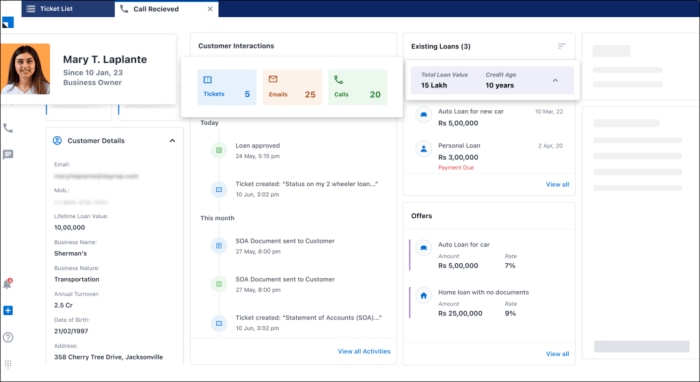
Server hosting isn’t just about putting your CRM’s digital heart somewhere; it’s about strategically enhancing how you collect and store the data that fuels your customer insights. This directly impacts everything from lead generation to customer retention. The right hosting solution can make your CRM data collection and storage processes lean, efficient, and secure, ultimately leading to better business decisions.Choosing the right server hosting provider for your CRM is crucial.
It dictates the speed and reliability of data collection, the security of sensitive customer information, and the overall performance of your CRM software. Optimized data collection and storage are paramount to achieving the best results from your CRM system.
Impact on Data Collection Methods
Server hosting significantly influences data collection methods. A robust server infrastructure allows for the integration of various data sources, including web forms, social media interactions, and customer support interactions. This integration enables a holistic view of customer behavior, providing more comprehensive and insightful data for your CRM. Scalable hosting solutions allow for expansion as your business grows and your data collection needs increase.
This flexibility ensures your CRM can handle increasing data volumes without performance hiccups.
Optimizing CRM Data Storage
Server hosting plays a pivotal role in optimizing CRM data storage. Choosing the right hosting solution ensures your data is stored securely and efficiently. This includes the selection of appropriate storage technologies, like cloud storage and databases, which are optimized for CRM data. Efficient storage reduces latency, enabling quick access to information and faster response times within your CRM.
The right storage setup allows for rapid data retrieval, crucial for timely analysis and actionable insights.
Data Security Measures in Server Hosting
Robust server hosting environments implement a multi-layered approach to data security, especially for CRM data, which often contains sensitive customer information. These security measures include encryption, firewalls, intrusion detection systems, and regular security audits. Access controls are also critical, limiting access to only authorized personnel and ensuring the confidentiality of customer data. Data backups are an essential part of any server hosting strategy, safeguarding against data loss due to hardware failures or cyberattacks.
Data Storage Options and CRM Performance
Different data storage options significantly affect CRM performance. Cloud storage, for example, offers scalability and accessibility from anywhere, but latency can be a concern, especially with large datasets. Databases, such as relational databases, excel at structured data management, enabling quick retrieval and analysis. Choosing the right data storage option depends on the specific needs of your CRM system and the nature of your data.
For example, a large e-commerce business with a high volume of transactions might benefit from a cloud-based solution, whereas a financial institution with stringent compliance requirements might favor a more robust on-premise database solution.
Comparison of Data Storage Methods, How Server Hosting Enhances CRM Customer Insights
| Data Storage Method | Pros | Cons |
|---|---|---|
| Cloud Storage | Scalability, accessibility, cost-effectiveness (often), reduced maintenance | Potential latency, security concerns (depending on provider), vendor lock-in |
| Relational Databases | Structured data management, quick data retrieval, ACID properties (atomicity, consistency, isolation, durability) | Higher initial setup cost, potential limitations in handling unstructured data, more complex to manage |
| NoSQL Databases | Scalability, handling unstructured data, faster write speeds | Less structured data management, potentially less data consistency, potentially complex queries |
Real-time Data Access and Processing
Real-time data is the lifeblood of modern CRM systems. It allows businesses to react quickly to customer needs, personalize interactions, and optimize marketing campaigns. Imagine a customer service rep instantly seeing the full history of a customer’s interactions, not just their recent purchase. That’s the power of real-time data access. This ability hinges on robust server hosting infrastructure that can handle the constant flow of data and deliver it instantly.Server responsiveness is paramount in providing a smooth and engaging CRM user experience.
Lagging responses can lead to frustrated users, decreased productivity, and ultimately, lost opportunities. Fast, reliable server hosting ensures CRM users can access and process data without delay, enabling them to make informed decisions and deliver superior customer service. This, in turn, directly impacts business success.
Server Hosting for Real-Time Data Access
Server hosting plays a critical role in enabling real-time data access for CRM users. A robust server infrastructure with high processing power and low latency is essential. This infrastructure allows for quick retrieval and processing of customer data, enabling CRM applications to respond to user queries instantly. The right server architecture can make or break real-time performance.
Impact of Server Responsiveness on User Experience
Server responsiveness directly impacts the CRM user experience. Fast loading times, quick data retrieval, and minimal latency contribute to a positive and productive user experience. Users can quickly access the information they need, analyze data, and make informed decisions. Conversely, slow response times, frequent errors, and instability negatively impact user experience. This leads to frustration, decreased efficiency, and ultimately, reduced business productivity.
Imagine a salesperson trying to close a deal, but the CRM system keeps loading, preventing them from seeing crucial customer information. This severely hinders sales effectiveness.
Server Architecture and Real-Time Data Access
Different server architecture options affect real-time CRM data access in various ways. Cloud-based server solutions often provide high scalability and accessibility, enabling rapid scaling to accommodate increased data volumes. On-premises solutions, while potentially offering greater control, may face limitations in scalability and real-time response when dealing with high traffic. Hybrid architectures combine the benefits of both cloud and on-premises solutions, offering a flexible and adaptable approach.For example, a cloud-based server with a distributed architecture can handle more concurrent users and data requests compared to a single-server solution, ensuring real-time access for a larger customer base.
This is crucial for businesses with growing customer bases and high transaction volumes.
Real-Time Data Processing for CRM Insights
Server hosting facilitates real-time data processing for CRM insights by providing the computational resources needed to analyze and interpret data streams. Advanced analytics tools can be integrated with the server to perform calculations and generate reports in real-time. This allows businesses to gain actionable insights into customer behavior and preferences, leading to improved decision-making. Imagine tracking sales trends in real-time and adjusting marketing campaigns on the fly.
This agility is critical for staying ahead of the competition.Furthermore, real-time data analysis within a CRM environment can be used for proactive customer service. By analyzing data in real-time, customer service teams can identify potential issues and address them before they escalate, improving customer satisfaction and loyalty.
Supporting Real-Time Data Analysis in CRM
Server hosting can support real-time data analysis within a CRM environment through the provision of ample processing power and high-speed data transfer capabilities. This allows for complex calculations and analysis to be performed in real-time, providing crucial insights to businesses. Data visualization tools can be integrated with the CRM system to present the insights in a user-friendly format, allowing businesses to understand and act upon the data effectively.
Scalability and Flexibility for CRM Growth
Server hosting isn’t just about storing data; it’s about building a foundation that can grow with your CRM. A robust hosting solution allows your CRM to scale seamlessly with increasing data volumes and user bases, ensuring your system can handle the demands of your business’s future expansion. This flexibility is crucial for adapting to evolving CRM needs and maintaining optimal performance.
Choosing the right server hosting solution is key to avoiding costly bottlenecks and ensuring continued success.
Server Hosting Solutions and CRM Growth
Server hosting solutions offer various approaches to scaling with CRM growth. Cloud-based hosting, for example, often provides the most dynamic scaling capabilities. Imagine a startup with a growing customer base; cloud hosting can seamlessly adjust resources, allowing the CRM to handle the increased data load and user requests without significant downtime or performance issues. On-premises solutions, while offering some control, might struggle to keep pace with rapid growth.
This is where cloud-based solutions excel. They often allow for rapid increases in processing power and storage, adapting to the demands of a scaling business. In essence, cloud-based solutions offer greater flexibility and agility in responding to dynamic CRM needs.
Comparing Cloud-Based and On-Premises Hosting
Different server hosting solutions offer varying degrees of scalability and flexibility for CRM systems. Cloud-based hosting provides an elastic environment that scales automatically, providing the ideal foundation for a rapidly growing CRM system. On-premises hosting offers greater control, but its scalability is often limited by the physical infrastructure.
| Hosting Option | Scalability | Flexibility | Cost |
|---|---|---|---|
| Cloud-based | High (automatic scaling) | High (easily adaptable to upgrades) | Often scalable cost, can be variable depending on usage |
| On-premises | Moderate (requires manual infrastructure adjustments) | Moderate (upgrades can be complex) | High upfront investment, but predictable costs |
The table above summarizes the key differences in scalability, flexibility, and cost between cloud-based and on-premises hosting. Choosing the right option depends on your specific needs and budget.
Tailoring Server Hosting for Future CRM Expansion
To ensure future CRM expansion, a tailored server hosting solution is critical. A scalable approach is essential for accommodating future data volumes and user growth. Consider these factors when planning for future growth:
- Projected Data Growth: Accurately project your data volume increase over the next few years. This allows for planning the necessary storage capacity and processing power in your hosting solution.
- Anticipated User Growth: Estimate the number of users your CRM will support in the future. This enables you to select a hosting solution capable of handling the increased demands on the system’s resources.
- System Upgrade Requirements: Anticipate potential upgrades to your CRM system and plan for the server hosting solution to accommodate these upgrades without disruption. This could include new software versions, enhanced functionality, or added features.
- Budget Constraints: Understand the cost implications of different hosting options and how they can affect your CRM’s scalability. Cloud-based solutions, for example, can often provide cost-effective scalability compared to on-premises hosting, especially when considering long-term projections.
By proactively addressing these factors, you can ensure that your server hosting solution can support your CRM’s future expansion and growth, ultimately safeguarding your investment and enabling continued success.
Improved CRM Reporting and Analytics
So, you’ve got your CRM data humming along, but are your reports actuallyhelping* you? Server hosting isn’t just about storing data; it’s about unlocking the true potential of your CRM insights. Better server infrastructure means faster, more accurate reporting and analytics, leading to better decision-making and ultimately, more sales. Think of it as upgrading your CRM’s brainpower.Robust server hosting dramatically improves the ability to generate meaningful reports and insightful analytics from your CRM data.
This translates to faster turnaround times for critical reports, more accurate predictions, and more agile responses to market changes. The key is having the right infrastructure to handle the demands of your growing CRM data and the analytical tools you use.
Server Hosting and Reporting Capabilities
Server hosting significantly enhances CRM reporting capabilities by providing the necessary processing power and storage capacity. This allows for the execution of complex queries and calculations, enabling the creation of more comprehensive and detailed reports. Faster processing translates directly into quicker turnaround times for critical reports, allowing for more timely responses to business needs.
Impact on CRM Analytics Tool Performance
Server hosting directly influences the performance of CRM analytics tools. A well-configured server environment provides the necessary resources for these tools to function optimally. This includes ample RAM, fast storage, and robust processing power. These resources ensure that analytics tools can handle large datasets without experiencing performance bottlenecks, leading to accurate and reliable results. For instance, a slow server can cause delays in running predictive models or forecasting tools, impacting the accuracy of insights.
Examples of Faster and More Accurate CRM Reporting
Imagine a scenario where your sales team needs a daily sales report. With adequate server hosting, this report can be generated in minutes, allowing the team to identify trends and address potential issues promptly. Similarly, a marketing team can quickly access data on campaign performance and adjust strategies in real-time. This agility translates to optimized marketing budgets and improved ROI.
Another example is in customer churn analysis. A robust server environment allows for quicker analysis of customer behavior patterns, enabling targeted interventions to reduce churn.
CRM Reporting Features Benefiting from Robust Server Hosting
- Sales Performance Reporting: Real-time sales data analysis allows for identifying peak sales periods, popular products, and top-performing sales representatives. This enables informed adjustments to sales strategies.
- Customer Segmentation Reporting: Analyzing customer data enables better targeting of marketing campaigns and tailoring customer service experiences.
- Marketing Campaign Analysis: Track campaign effectiveness, measure ROI, and identify areas for improvement with detailed data. This allows for more precise and efficient allocation of marketing resources.
- Predictive Analytics for Sales Forecasting: Generate accurate sales forecasts by identifying trends and patterns in historical sales data. This allows for proactive planning and resource allocation.
Detailed and Insightful CRM Reports
Robust server hosting enables the creation of more detailed and insightful CRM reports by handling larger datasets and complex queries without performance degradation. This translates to deeper understanding of customer behavior, market trends, and sales patterns. For example, by analyzing detailed customer interactions, companies can personalize offers and communications, leading to higher customer satisfaction and loyalty. By leveraging data from multiple sources, you can create richer customer profiles, leading to a more comprehensive understanding of your audience.
This granular view allows for more nuanced strategies and ultimately, improved business outcomes.
Customer Experience Enhancement: How Server Hosting Enhances CRM Customer Insights
Server hosting isn’t just about the tech; it’s about the customer experience. A robust CRM system, powered by a reliable server infrastructure, translates directly into happier customers. Think of it like this: a smooth-running website translates to happy users, and a responsive CRM is the same for your customers interacting with your business. A slow, unreliable system leads to frustration, lost sales, and ultimately, a damaged reputation.
Let’s dive into how a well-structured server hosting solution, integrated with your CRM, dramatically improves the customer journey.Reliable server hosting forms the bedrock of a positive customer experience. When your CRM is accessible, responsive, and stable, it enables a far smoother and more satisfying interaction with your customer base. This directly translates into improved customer satisfaction scores and increased customer lifetime value.
Think of it like a well-oiled machine: everything works together seamlessly, and customers benefit from a streamlined and efficient experience.
Impact on Customer Support
A CRM system is the backbone of customer support. Fast server response times mean faster ticket resolution, quicker issue identification, and more efficient handling of customer queries. This, in turn, directly translates into happier customers. Reliable hosting ensures your support team can access the necessary customer data swiftly, enabling them to resolve issues promptly and effectively. For example, if a customer reports a problem with a product, access to detailed order history and support tickets, instantly available through a responsive CRM, can expedite the resolution process.
This swift resolution fosters customer trust and loyalty.
Influence of Server Uptime and Response Time
Server uptime is crucial for a positive customer experience. Customers expect your CRM to be available when they need it. Downtime leads to frustration, lost productivity, and potential missed opportunities. High server uptime rates directly correlate with positive customer sentiment and a stronger brand image. A well-designed system with high uptime is a key component of building trust and loyalty with customers.Similarly, fast server response times are essential for a seamless user experience.
Slow loading times, sluggish data retrieval, and delayed responses create a frustrating experience for customers. A responsive CRM, facilitated by quick server response times, ensures smooth and efficient interactions. A delay of just a few seconds can feel like an eternity to a customer trying to access vital information or resolve an issue. A well-maintained hosting environment, optimized for speed, ensures CRM responsiveness, which directly impacts the customer experience.
Personalized Customer Experiences
Server hosting, combined with data analysis capabilities of the CRM, empowers personalized experiences. Fast and reliable access to customer data allows for the creation of tailored interactions and promotions. This personalized approach strengthens customer relationships and boosts loyalty. Imagine a customer receiving targeted recommendations based on their past purchases, or an automated support message that references their previous inquiries.
These personalized interactions create a sense of value and recognition, ultimately leading to greater customer satisfaction. This data analysis, facilitated by efficient server hosting, is crucial for delivering these personalized experiences.
Examples of Reliable Hosting Enhancing Customer Support
A robust CRM system with reliable server hosting significantly enhances customer support. A company experiencing high customer traffic can utilize a scalable hosting solution to handle the increased load without impacting response times. This allows the support team to address customer inquiries promptly and effectively, maintaining high levels of customer satisfaction.Consider a customer support scenario where a user experiences a software glitch.
Fast server response times allow the CRM to instantly retrieve relevant support tickets and knowledge base articles. This enables the support agent to quickly identify the problem and provide a tailored solution, thus improving the customer experience.
Security and Compliance Considerations
CRM data is the lifeblood of your business. Protecting it is paramount. Server hosting environments are the digital fortresses that safeguard this sensitive information, requiring robust security measures and strict compliance to maintain customer trust and avoid costly breaches. This section delves into the crucial security and compliance considerations for server hosting when handling CRM data.Robust security measures are essential to protect sensitive customer data within CRM systems.
This includes a layered approach to security, extending beyond basic firewall protection. Implementing these measures not only prevents data breaches but also fosters trust and confidence among your customer base.
Data Security Measures in Server Hosting
Server hosting providers employ various security measures to protect CRM data. These include regular security audits, intrusion detection systems, and firewalls to detect and prevent unauthorized access. They also implement access controls with multi-factor authentication, limiting access to authorized personnel only. Data encryption, both in transit and at rest, is crucial to safeguard sensitive information from unauthorized access.
Regular backups and disaster recovery plans are also vital for business continuity in case of unforeseen events.
Compliance Requirements for CRM Usage
Server hosting must adhere to specific compliance requirements depending on the industry and location. For example, HIPAA compliance is essential for healthcare organizations handling patient data, while GDPR compliance is necessary for European Union-based businesses. Hosting providers need to demonstrate their commitment to these regulations by implementing policies, procedures, and technical safeguards. Understanding and meeting these requirements is critical to avoid penalties and maintain legal compliance.
Security Protocols Implemented by Server Hosting Providers
Server hosting providers use a range of security protocols to safeguard CRM data. These include Secure Socket Layer (SSL) or Transport Layer Security (TLS) protocols for encrypting data transmitted between the CRM and the server. Implementing these protocols ensures that data in transit is protected from eavesdropping and tampering. The use of firewalls, intrusion detection systems, and regular security audits are also part of the protocol.
These security protocols are essential to safeguard data against various threats and vulnerabilities.
Comparison of Security Protocols and Effectiveness
Different security protocols offer varying levels of protection. For example, SSL/TLS protocols are highly effective in protecting data in transit, whereas intrusion detection systems are better at proactively identifying and mitigating threats. The effectiveness of a specific protocol depends on the specific threat landscape and the overall security posture of the server hosting environment. A comprehensive approach combining multiple security protocols is generally more effective than relying on a single solution.
A detailed analysis of the threats and vulnerabilities faced by the CRM system is essential to select the most appropriate protocols.
Importance of Server Hosting Security in Maintaining CRM User Trust
Maintaining security in server hosting is critical for building and maintaining user trust in your CRM system. A data breach can severely damage your reputation and lead to significant financial losses. By demonstrating a commitment to robust security measures, you can assure your users that their data is safe and secure. Transparency in security practices and clear communication about data protection measures can also enhance user trust and confidence.
Implementing these practices not only safeguards your data but also fosters a culture of trust and reliability within your organization.
Conclusion
In conclusion, robust server hosting is not just a technical necessity but a strategic investment in understanding and serving your customers better. Choosing the right hosting solution enables your CRM to thrive, providing actionable insights that fuel growth and enhance customer relationships. From improved data collection to enhanced reporting, server hosting becomes a powerful catalyst for a successful CRM strategy, leading to a superior customer experience.
FAQ Resource
What are the key differences between shared, VPS, and dedicated hosting?
Shared hosting is cost-effective but offers limited resources. VPS hosting provides more control and resources than shared hosting, while dedicated hosting offers the most control and resources but at a higher cost. The right choice depends on your specific CRM needs and budget.
How does server hosting affect data security for CRM?
Server hosting providers often implement robust security measures like firewalls, encryption, and access controls to protect your CRM data. Choosing a reputable provider with a proven track record in security is vital. Regular security audits and updates are also crucial.
Can cloud-based server hosting scale to accommodate CRM growth?
Yes, cloud-based hosting is highly scalable, allowing you to easily adjust resources as your CRM usage and data volume increase. This flexibility is crucial for handling future growth without significant upfront investments or technical headaches.
What are the benefits of real-time data access in CRM with server hosting?
Real-time data access allows for immediate insights into customer behavior and preferences, enabling quick responses and personalized interactions. This agility significantly improves customer experience and support.