CRM Scalability: The Role of Server Hosting Solutions is crucial for businesses of all sizes. Choosing the right server hosting solution directly impacts your CRM’s ability to handle growth, from startups needing basic scalability to enterprises demanding robust performance. This guide dives deep into the various hosting options, their impact on CRM performance, and key considerations for making the right choice.
Understanding the different types of server hosting – cloud, on-premise, and hybrid – is essential. This analysis will explore the benefits and drawbacks of each, alongside cost considerations, and how they affect CRM performance. We’ll also examine how server resources like CPU, RAM, and storage influence scalability. Finally, you’ll learn about best practices for designing a scalable CRM system, from database optimization to user access management, and how to plan for future growth.
Defining CRM Scalability
So, you’re looking to grow your business? A crucial element for that growth is a CRM that can scale with you. It’s not just about adding more features; it’s about thesystem’s* ability to handle increasing data, users, and complexity without breaking down. Think of it as building a sturdy foundation for your future success. A CRM that can scale is a CRM that can keep pace with your business evolution.CRM scalability isn’t just a buzzword; it’s the bedrock of long-term business success.
It’s the ability of a Customer Relationship Management system to adapt and expand its capacity to meet the growing needs of your business as it evolves. This includes handling more customers, more data, and more complex interactions without performance issues or needing a complete overhaul. Essentially, it’s about making sure your CRM can grow
with* your company, not against it.
CRM Scalability Definition
A scalable CRM system is one that can handle increasing amounts of data, users, and features without compromising performance or requiring a complete system replacement. It’s about adapting to your business’s ever-changing needs. This adaptability is critical for businesses of all sizes, from startups just getting off the ground to established enterprises managing millions of customer interactions.
Key Characteristics of a Scalable CRM
Scalable CRMs have several key characteristics. They’re designed with flexibility in mind, allowing for easy expansion of features, user roles, and data storage capacity. The system’s architecture is crucial; a well-designed system is modular and allows for adding new components or servers without disrupting existing operations. Performance is paramount; the system should be able to handle a surge in activity without slowing down or crashing.
Finally, scalability often involves a good API. This enables integration with other systems and applications, further supporting business growth.
CRM scalability hinges on solid server hosting. Choosing the right hosting solution is crucial for growth. Want to boost your CRM’s performance and future-proof your tech stack? Check out the benefits of VPS hosting for CRM Exploring the Benefits of VPS Hosting for CRM. VPS offers the flexibility and control needed to handle increasing data and user demands, ensuring your CRM stays ahead of the curve and doesn’t become a bottleneck for your business growth.
Scalability Needs Across Business Types
Different business types require varying degrees of CRM scalability. Startups, for example, need a CRM that can quickly adapt to their rapid growth. They need a system that can accommodate more customers, more data, and more complex workflows, all while keeping costs manageable. Enterprises, on the other hand, need a system that can handle massive amounts of data, complex integrations, and multiple departments.
They need a system that’s not just scalable but also highly reliable and secure.
Examples of CRM Systems and Scalability Levels
Zoho CRM, for instance, is known for its robust and affordable scalability options, making it a popular choice for startups and growing businesses. Salesforce, a behemoth in the CRM market, offers high scalability, often a must for enterprise-level businesses managing vast quantities of data and users. Other systems, like HubSpot, provide a balanced approach, catering to businesses of various sizes and needs.
Each system will cater to a different degree of scalability, from basic growth to advanced enterprise needs.
Comparing CRM Scalability Models
| Scalability Model | Description | Strengths | Weaknesses |
|---|---|---|---|
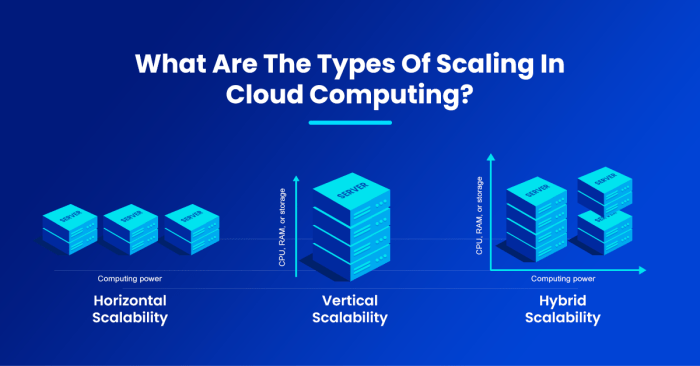
| Vertical Scaling | Increasing the resources (like CPU, RAM) of a single server. | Often quicker and cheaper to implement initially. | Limited scalability; eventually, the single server becomes a bottleneck. |
| Horizontal Scaling | Adding more servers to distribute the workload. | Higher scalability limits. Handles significant data growth and user increase. | Requires more technical expertise and initial investment in multiple servers. |
Vertical scaling is like upgrading a powerful car engine; horizontal scaling is like adding more lanes to a highway. Choosing the right model depends on the specific needs and resources of your business.
Scaling your CRM depends heavily on the server hosting solution you choose. Just like Bitcoin transactions rely on a complex network of nodes, robust server infrastructure is crucial for a CRM to handle increasing data and user loads. Understanding how these systems work, like exploring Bitcoin Transactions: How They Work Behind the Scenes , helps you pick the right hosting for your CRM, ensuring seamless performance and future growth.
A strong hosting solution is key to a scalable CRM.
Server Hosting Solutions for CRM
Choosing the right server hosting solution is crucial for CRM scalability. It’s not just about picking a fancy name; it’s about ensuring your CRM can handle growth, maintain speed, and keep your customers happy. The wrong choice can lead to frustrating slowdowns, costly downtime, and ultimately, lost revenue. Let’s dive into the different options and how they impact your CRM.Server hosting options for CRM systems vary greatly, impacting performance, cost, and scalability.
Understanding the nuances of each option is critical for making an informed decision. This section explores the available choices, weighing their pros and cons regarding scalability.
Different Server Hosting Options
Different server hosting options cater to varying needs and budgets. Understanding the key distinctions is vital for selecting the optimal solution.
- Cloud Hosting: Cloud hosting utilizes a network of remote servers hosted by a third party. This allows for easy scalability, as resources can be added or removed as needed. Cloud solutions offer flexibility and often have lower upfront costs compared to on-premise options. Examples include AWS, Azure, and Google Cloud Platform. However, cloud hosting can have higher costs for very high-volume usage or very high-security needs, and vendor lock-in can occur if you choose the wrong provider.
- On-Premise Hosting: On-premise hosting involves installing and maintaining servers on your own physical infrastructure. This gives you complete control and security, but requires significant upfront investment in hardware and dedicated IT staff. This option is suitable for organizations with high security requirements or specific software needs that cloud solutions don’t readily support. However, scaling on-premise hosting can be complex and expensive, requiring significant infrastructure upgrades.
- Hybrid Hosting: Hybrid hosting combines elements of cloud and on-premise hosting. Data-sensitive or critical applications might be hosted on-premise, while less critical aspects can reside in the cloud. This offers a blend of control and flexibility, allowing organizations to leverage the benefits of both models. Hybrid solutions can be complex to manage and require skilled IT personnel.
Impact on CRM Performance and Responsiveness, CRM Scalability: The Role of Server Hosting Solutions
The chosen hosting solution directly impacts CRM performance and responsiveness. A fast, responsive CRM is essential for a positive user experience.
- Cloud Hosting: Cloud hosting typically offers good performance and responsiveness due to its distributed nature and readily available resources. The speed and availability are usually high, especially for medium to large CRM deployments.
- On-Premise Hosting: On-premise hosting performance can vary significantly depending on the hardware infrastructure and its capacity. Issues like server downtime or insufficient bandwidth can lead to slower response times. The performance is often dependent on your internal IT team and their ability to manage the system effectively.
- Hybrid Hosting: Hybrid solutions’ performance depends on the specific configuration. Performance bottlenecks can arise if the cloud and on-premise components aren’t effectively integrated. You can potentially achieve high performance and scalability by balancing workload between the cloud and on-premise infrastructure.
Cost Comparison
The cost of each hosting solution varies based on factors like usage, features, and maintenance. Careful budgeting is critical for CRM scalability.
- Cloud Hosting: Cloud hosting often has lower upfront costs, but ongoing costs can accumulate depending on usage. You’re paying for the resources you consume, which can fluctuate depending on usage.
- On-Premise Hosting: On-premise hosting has significant upfront costs for hardware, software, and IT personnel. However, the ongoing costs are generally predictable and lower if your team manages the system efficiently.
- Hybrid Hosting: Hybrid hosting costs typically fall between cloud and on-premise options. The cost depends heavily on the balance of resources allocated to each model. It can offer the most tailored cost solution depending on the specifics of the implementation.
Scalability Features Comparison
A table illustrating the different server hosting solutions and their scalability features:
| Server Hosting Solution | Scalability | Pros | Cons |
|---|---|---|---|
| Cloud Hosting | High, flexible, and on-demand | Easy scaling, cost-effective, readily available resources | Potential for vendor lock-in, security concerns, high usage costs |
| On-Premise Hosting | Moderate, requires significant investment | Complete control, high security, predictable costs (if managed effectively) | High upfront costs, complex scaling, potential performance issues |
| Hybrid Hosting | High, with controlled flexibility | Control over sensitive data, flexible resource allocation | Complex to manage, requires skilled IT staff, potential for performance bottlenecks |
Impact of Hosting on CRM Scalability
Choosing the right server hosting solution is crucial for a CRM’s ability to handle growth. A poorly chosen hosting setup can cripple your system, while a well-designed one allows your CRM to scale effortlessly with your business. This section dives deep into how hosting choices directly impact CRM scalability, from fundamental server resources to advanced strategies like load balancing.The relationship between your CRM and its hosting environment is symbiotic.
A robust hosting platform provides the foundation for a scalable CRM, enabling it to handle increased data volumes, user traffic, and complex operations without performance degradation. Conversely, a weak hosting infrastructure can become a bottleneck, hindering user experience and ultimately impacting your bottom line.
Server Resource Impact
Server resources – CPU, RAM, and storage – are fundamental to CRM scalability. As your user base and data grow, these resources need to scale proportionally. Insufficient CPU power leads to slow response times, while inadequate RAM results in frequent system freezes or crashes. Limited storage space will prevent the addition of new data or hinder the smooth running of the CRM.
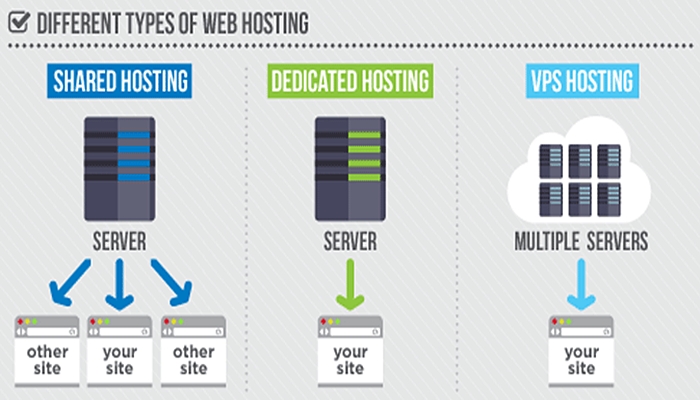
The ability of the hosting solution to accommodate these growing demands directly influences the CRM’s scalability. For instance, a small business with a simple CRM might thrive on a shared hosting plan, but a rapidly expanding e-commerce company needs a dedicated or cloud-based solution to handle peak loads.
Elasticity in Cloud Hosting
Cloud hosting offers significant advantages in CRM scalability due to its elasticity. Cloud providers dynamically adjust resources (CPU, RAM, storage) based on demand. This elasticity is vital for handling unpredictable spikes in user activity or data volume. Imagine a flash sale on an e-commerce site; a cloud-based CRM can automatically provision additional resources to handle the sudden surge in orders and transactions without performance issues.
This adaptability is crucial for CRM systems supporting fluctuating workloads.
Load Balancing Strategies
Load balancing distributes incoming traffic across multiple servers. This approach prevents a single server from becoming overwhelmed, ensuring consistent performance and preventing bottlenecks. Load balancers intelligently route requests to available servers, optimizing resource utilization and ensuring smooth operation even during peak demand. Implementing load balancing in a CRM solution significantly enhances its ability to handle increased traffic without sacrificing response time.
This strategy is particularly crucial for applications with high user volume or transactional activities, such as online banking or large e-commerce platforms.
Impact of Hosting Configurations on CRM Performance
The table below illustrates the impact of various hosting configurations on CRM performance under increasing loads. This highlights the importance of choosing a hosting solution capable of adapting to growing demands.
Choosing the right server hosting solution is crucial for CRM scalability. Think about how a robust hosting platform can handle growing data demands, especially as your customer base expands. For instance, Media Lampost ID Media Lampost ID likely needs a scalable infrastructure to handle the demands of their content and user engagement. Ultimately, understanding your hosting needs is key to ensuring your CRM can keep up with your business growth.
| Hosting Configuration | Impact on Performance (Low Load) | Impact on Performance (Medium Load) | Impact on Performance (High Load) |
|---|---|---|---|
| Shared Hosting | Good | Moderate | Poor, frequent slowdowns |
| VPS Hosting | Good | Good | Fair, some slowdowns |
| Dedicated Server Hosting | Excellent | Excellent | Excellent, high performance |
| Cloud Hosting | Good | Excellent | Excellent, scales dynamically |
Considerations for Choosing a Hosting Solution
Picking the right CRM hosting solution isn’t just about the initial price tag; it’s about future-proofing your business. You need a platform that can scale with your growing customer base and data volume, ensuring smooth operations and a positive user experience. A poorly chosen hosting solution can become a significant bottleneck, impacting everything from sales to customer support.
Let’s dive into the critical factors you need to consider.Choosing the right hosting solution is a crucial step in your CRM implementation strategy. It’s not just about finding something that works today; it’s about building a system that will support your company’s growth trajectory for years to come. Understanding the implications of your choice is paramount, especially concerning future scalability and the resilience of your data.
Future Growth Projections
Predicting future growth is essential for selecting a hosting solution. A solution that can easily accommodate anticipated increases in user traffic, data storage, and processing power is crucial. Analyze historical growth patterns and market trends to make informed projections. Consider potential spikes in demand during peak seasons or promotional periods. A flexible hosting solution that can adjust to these fluctuations will prevent performance bottlenecks and ensure smooth operations.
For example, a company anticipating a 50% increase in customer sign-ups in the next year should select a hosting solution with the capacity to handle that load without compromising performance. This proactive approach ensures your CRM system remains efficient and reliable as your business expands.
Data Backup and Recovery Strategies
Robust data backup and recovery strategies are paramount for a scalable CRM system. Data loss can have devastating consequences for businesses, resulting in lost revenue, damaged reputations, and costly downtime. A comprehensive backup and recovery plan should include regular backups, offsite storage, and a clear recovery procedure. Implementing these strategies minimizes risks and protects your business’s valuable data.
Different Backup and Recovery Methods
Different hosting solutions offer various backup and recovery methods. Cloud-based hosting often utilizes automated backups, providing quick and easy restoration options. Dedicated servers typically offer more control over backup procedures, allowing for customized scheduling and storage locations. Cloud-based solutions might use snapshot backups, allowing for point-in-time recovery. Dedicated servers could leverage incremental backups, which only save the changes since the last full backup.
Hybrid solutions combining cloud and dedicated server features offer a balanced approach, leveraging the benefits of both systems. Choose a method that aligns with your business needs and budget.
Evaluating CRM Hosting Solutions Checklist
Evaluating CRM hosting solutions requires a structured approach to ensure you select the best option for your scalability needs. This checklist provides a framework for evaluating different hosting solutions:
- Scalability: Can the hosting solution accommodate anticipated growth in users, data volume, and transaction rates? Does the provider offer options for scaling resources as needed?
- Backup and Recovery: What backup and recovery methods are offered? How frequently are backups performed? What is the recovery time objective (RTO) and recovery point objective (RPO)?
- Security: Does the hosting solution comply with industry security standards? What measures are in place to protect data from unauthorized access or breaches?
- Support: What level of technical support does the provider offer? Are there dedicated support teams for CRM-specific issues?
- Cost: What is the pricing structure for the hosting solution? Are there any hidden costs or fees? Consider long-term costs and compare them with your projected budget.
- Service Level Agreements (SLAs): What guarantees does the provider offer regarding uptime and performance? Are there specific SLAs tailored to CRM needs?
By carefully considering these factors, businesses can choose a hosting solution that aligns with their CRM scalability needs and ensures the long-term success of their CRM implementation.
CRM Scalability Best Practices: CRM Scalability: The Role Of Server Hosting Solutions
So, you’ve got your CRM up and running, but now it’s time to think about how it’ll handle future growth. Scaling a CRM isn’t just about throwing more hardware at the problem; it’s about smart design and ongoing optimization. This means building a system that’s flexible, robust, and can adapt to changing needs. It’s like building a house – you want it to be sturdy enough for a family of four
and* expandable for a family of ten.
Effective CRM scalability is more than just adding capacity; it’s about proactively anticipating and addressing the evolving needs of your business. This involves a holistic approach that goes beyond just server upgrades and includes database optimization, user management, and regular performance checks. A well-designed, scalable CRM is an investment in the long-term health and growth of your business.
Database Optimization for CRM Scalability
Database performance is critical for CRM scalability. A slow database can cripple your entire system. Optimization strategies include indexing key fields, normalizing data structures, and choosing the right database type for your needs. Consider using a database designed for high concurrency, such as MySQL or PostgreSQL, and tuning query performance by using appropriate indexes and optimizing database queries.
A properly optimized database is the foundation of a scalable CRM. It ensures data is readily available and accessible for users, allowing for quick responses and efficient operations.
User Access and Data Security in a Scalable Environment
Managing user access and data security is crucial in a scalable CRM. A poorly secured system is a major risk, and a scalable system needs a robust security architecture to maintain data integrity. Implementing role-based access control (RBAC) is essential. This lets you grant different levels of access to different user groups, preventing unauthorized access and ensuring data confidentiality.
Regular security audits and penetration testing should be part of your maintenance routine. This approach safeguards sensitive data and maintains user trust.
Regular Performance Monitoring and Optimization
Regular performance monitoring and optimization are vital to ensure your CRM remains efficient as your business grows. Tools for monitoring database load, API calls, and user response times are essential. Proactive identification of bottlenecks and slowdowns allows for timely intervention and prevents system instability. By consistently monitoring performance, you can address potential issues before they impact your users and business operations.
This ongoing process of monitoring and fine-tuning will ensure that the CRM remains responsive and efficient under increasing workloads.
Guidelines for Implementing a Scalable CRM Architecture
Implementing a scalable CRM architecture requires careful planning and execution. This section Artikels key guidelines to help ensure that your CRM system can adapt to future growth.
- Modular Design: Break down your CRM into independent, reusable modules. This makes it easier to add new features or functionalities without disrupting existing components. This flexibility allows for future growth and changes without extensive overhauls.
- API-First Approach: Design your CRM with an API-first approach. This allows for integration with other systems and applications, promoting flexibility and extensibility.
- Cloud-Based Infrastructure: Consider cloud-based hosting for enhanced scalability and flexibility. Cloud solutions can automatically scale resources to meet demand, eliminating the need for manual infrastructure management.
- Regular Updates and Maintenance: Stay updated on security patches and system updates. Regular maintenance and updates are crucial to ensure system stability and security.
Case Studies and Examples
Scaling your CRM isn’t just about buying more powerful hardware; it’s about understanding how different companies have tackled the complexities of growth. Choosing the right hosting solution is critical to avoiding bottlenecks and ensuring your CRM system can keep up with your business’s evolving needs. Let’s dive into some real-world examples.Successful CRM implementations often depend on a perfect match between the system, hosting, and the company’s specific requirements.
A poorly chosen hosting solution can quickly become a major obstacle to growth, leading to frustrating delays and wasted resources. Conversely, a well-chosen solution can empower your business to scale seamlessly, allowing you to focus on your core objectives.
Successful CRM Deployments with Cloud Hosting
Cloud hosting has revolutionized CRM scalability, enabling businesses to adapt to fluctuating demands without significant upfront investment or complex infrastructure management. Several companies have successfully scaled their CRM systems using cloud solutions, demonstrating the flexibility and adaptability of this approach.
- E-commerce giant “Shopify” leveraged cloud-based CRM solutions to manage their rapidly expanding customer base. Their scalable cloud infrastructure allowed them to handle peak sales periods and customer inquiries efficiently. This demonstrated how cloud hosting can adapt to high volumes of data and transactions, maintaining consistent performance and user experience. By using a cloud-based CRM, Shopify was able to seamlessly manage and scale their operations as they grew, demonstrating a successful implementation.
- A mid-sized marketing agency, “GrowthHackers Inc.”, transitioned to a cloud-based CRM to handle the increased data volume and user access as their client base grew. The cloud-based CRM allowed them to expand their operations with minimal technical overhead. This example showcases how cloud-based CRM systems are adaptable to changing needs, enabling companies to grow and expand without significant upfront investment or technical expertise. GrowthHackers Inc.
benefited from the scalability and flexibility of the cloud, allowing them to maintain high levels of performance without significant technical challenges.
- A small manufacturing company, “PrecisionParts”, successfully scaled their CRM system using a cloud-based solution. The flexibility of the cloud platform allowed them to easily add new features and users as their operations expanded. This showcased how cloud solutions enable easy scalability and integration of new features. PrecisionParts’s choice of cloud-based CRM facilitated the company’s expansion without requiring extensive technical maintenance.
Scalability Challenges and Solutions
Companies often face unique scalability challenges when implementing CRM systems. These challenges can stem from various factors, including data volume, user access, and system performance. Understanding these challenges and implementing appropriate solutions is crucial for long-term success.
| Company | CRM System | Hosting Solution | Scalability Challenges | Solutions Implemented |
|---|---|---|---|---|
| XYZ Corp. | Salesforce | AWS Cloud | High user access during peak sales periods | Implemented a caching layer and optimized database queries. |
| ABC Inc. | Microsoft Dynamics 365 | Azure Cloud | Rapid growth in data volume | Implemented a data partitioning strategy and upgraded storage capacity. |
| Tech Solutions | Zoho CRM | Google Cloud | Limited server resources for increased user base | Migrated to a higher-tier cloud hosting plan and improved database optimization. |
Lessons Learned
Careful planning and proactive monitoring are crucial for successful CRM scaling. Companies that fail to address scalability issues early on often face significant operational disruptions. Choosing the right hosting solution, based on anticipated growth, is vital. Proactive measures, such as regular performance monitoring and capacity planning, are essential to ensure smooth scaling.
Final Thoughts
In conclusion, selecting the right server hosting solution is paramount for a scalable CRM system. Choosing the correct hosting type, considering future growth projections, and implementing best practices will ensure your CRM system keeps pace with your business’s expansion. This guide provided a comprehensive overview of the crucial factors to consider when navigating the complexities of CRM scalability and server hosting solutions.
By understanding these elements, you can confidently build a robust and scalable CRM that fuels your business growth.
Detailed FAQs
What are the key differences between cloud and on-premise hosting for CRM?
Cloud hosting offers flexibility and scalability, often with lower upfront costs but potential reliance on third-party services. On-premise hosting provides greater control but comes with higher initial investment and ongoing management responsibilities.
How does data backup and recovery affect CRM scalability?
Robust backup and recovery strategies are essential for a scalable CRM. Regular backups and disaster recovery plans protect against data loss and downtime, ensuring business continuity during scaling periods.
What are some common scalability challenges faced by businesses with CRM systems?
Businesses often face challenges like handling growing data volumes, increasing user bases, and adapting to changing business needs. Choosing a scalable CRM system and hosting solution mitigates these challenges.
What is the role of load balancing in CRM scalability?
Load balancing distributes incoming traffic across multiple servers, improving performance and responsiveness under high demand, essential for scaling CRM systems.