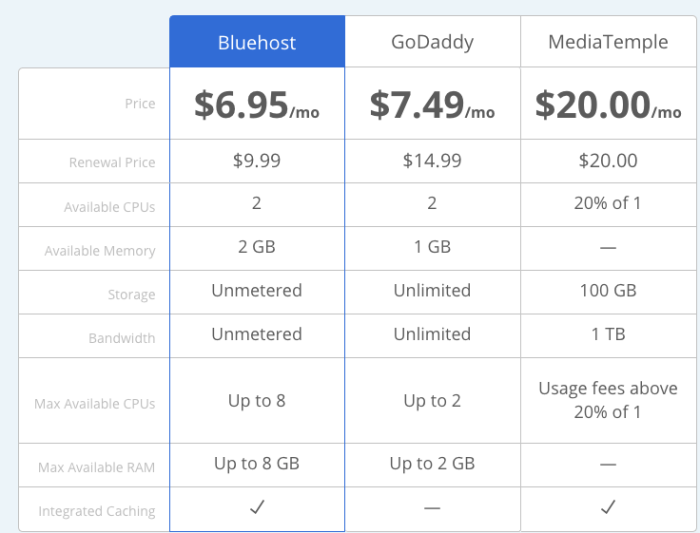
Choosing the Best Hosting Service for CRM Optimization is crucial for business success. A poorly chosen hosting platform can cripple your CRM, hindering workflows, impacting user experience, and ultimately costing you revenue. This guide dives deep into the essential factors to consider when selecting the perfect hosting solution for your CRM, ensuring optimal performance, scalability, and security.
From understanding different CRM types and their suitability for various businesses to evaluating hosting providers and integrating them seamlessly, this comprehensive guide equips you with the knowledge to make informed decisions. We’ll explore key considerations like security, performance, scalability, and cost, empowering you to select a hosting service that aligns with your CRM’s needs today and in the future.
Defining CRM Optimization Needs
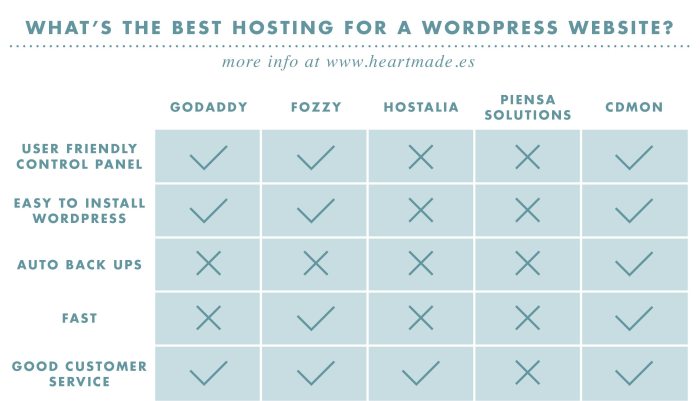
Choosing the right CRM and optimizing its use is crucial for business success. A well-integrated CRM system can streamline workflows, boost sales, and improve customer satisfaction. However, simply implementing a CRM isn’t enough. You need a deep understanding of your specific needs and how your chosen hosting service can support those needs. This section dives into the critical elements for successful CRM optimization.Defining your optimization needs requires careful consideration of your business size, current processes, and future goals.
Picking the perfect hosting for your CRM is crucial for optimization, but understanding the future of server hosting for CRM applications, like The Future of Server Hosting for CRM Applications , is equally important. This future-proofing your system will give you a massive advantage, ensuring your CRM can handle growth and changing needs. Ultimately, choosing the right hosting now impacts your CRM’s long-term success and efficiency.
A tailored approach is key to extracting maximum value from your CRM investment.
CRM System Types and Suitability
Different CRM systems cater to various business sizes and needs. Cloud-based CRMs offer scalability and accessibility, making them suitable for startups and growing businesses. On-premise CRMs, while offering more control, demand significant upfront investment and IT infrastructure. Hybrid systems combine elements of both, providing a balance between control and accessibility. The choice depends heavily on your budget, technical expertise, and anticipated growth.
For example, a small e-commerce store might benefit from a cloud-based CRM, while a large enterprise with established IT infrastructure might opt for an on-premise solution.
Key CRM Functionalities for Optimization
Crucial CRM functionalities for workflow optimization and user experience include lead management, contact management, sales forecasting, marketing automation, and customer support integration. These functionalities allow businesses to track leads effectively, manage customer interactions, forecast sales accurately, automate marketing campaigns, and provide timely support. A well-implemented CRM can automate tasks like email sequences, lead nurturing, and follow-ups, freeing up valuable time for employees to focus on strategic initiatives.
Metrics and KPIs for Measuring Success
Measuring the success of CRM optimization requires defining specific key performance indicators (KPIs). Common metrics include sales conversion rates, customer lifetime value (CLTV), customer satisfaction scores (CSAT), average deal size, and sales cycle length. Tracking these metrics allows businesses to assess the impact of their CRM implementation and identify areas for improvement. For instance, if sales conversion rates are low, the CRM system’s lead qualification process might need adjustments.
Streamlining and Automating Business Processes
CRMs can significantly streamline and automate various business processes. Sales processes, marketing campaigns, customer service interactions, and inventory management can all be optimized. Sales teams can automate lead qualification and follow-up, marketing teams can automate email sequences and targeted ads, and customer service teams can automate ticket routing and resolution. This automation leads to increased efficiency, reduced costs, and improved response times.
For instance, a company selling software could automate the process of sending personalized follow-up emails to potential clients.
Security and Data Privacy in CRM Hosting
Security and data privacy are paramount when choosing a CRM hosting service. Look for providers with robust security measures, including encryption, access controls, and regular security audits. Compliance with data privacy regulations, such as GDPR, is essential. Consider factors like data backup and disaster recovery capabilities. A compromised CRM system can lead to significant financial and reputational damage.
For instance, a breach could expose sensitive customer data, leading to legal penalties and loss of trust.
Hosting Service Evaluation Criteria
Choosing the right hosting service for your CRM is crucial for optimal performance and data security. It’s not just about picking the cheapest option; you need a solution that scales with your needs, provides robust security, and offers excellent customer support. This means understanding the nuances of various hosting types, their strengths, weaknesses, and how they fit into your CRM strategy.
We’ll break down the essential criteria for evaluating hosting services to ensure your CRM runs smoothly and effectively.
Hosting Provider Comparison
Evaluating different hosting providers is essential for finding the best fit for your CRM. A comprehensive comparison table can help visualize the strengths and weaknesses of various providers. This table should include features, pricing models, scalability options, and customer support quality.
| Hosting Provider | Features | Pricing | Scalability | Customer Support |
|---|---|---|---|---|
| Example Provider A | Excellent database management tools, robust security protocols, and advanced caching mechanisms. | Competitive pricing with tiered plans for different needs. | Easily scalable resources, allowing for quick increases in capacity as your CRM grows. | 24/7 support with knowledgeable agents via phone, email, and ticketing systems. |
| Example Provider B | Basic features, but known for fast speeds and affordable plans. | Very budget-friendly, but limited features. | Limited scalability options, may require significant investment for upgrades. | Good response time through ticketing systems, but limited phone support. |
| Example Provider C | Specialized solutions for specific CRM needs, such as high-volume transactions or complex data structures. | Pricier than other providers, but offers more tailored solutions. | High scalability, allowing for massive increases in resources as required. | Excellent 24/7 support, with dedicated account managers for larger clients. |
Critical Factors for CRM Hosting
Choosing the right hosting service for your CRM requires a careful evaluation of several critical factors. Reliability, performance, and security are paramount.
- Reliability: Downtime is unacceptable for a CRM. Look for providers with a proven track record of uptime and disaster recovery plans. Consider their service level agreements (SLAs) to understand their commitment to maintaining service.
- Performance: A slow CRM negatively impacts user experience. Evaluate the hosting provider’s infrastructure, server response times, and network bandwidth to ensure smooth operation. Test the performance under anticipated load conditions.
- Security: Data security is critical for any CRM. Choose a provider with robust security measures, including firewalls, intrusion detection systems, and encryption protocols. Ensure data backups and recovery processes are in place.
Types of Hosting Solutions
Understanding the different hosting solutions is vital for selecting the appropriate one for your CRM.
- Shared Hosting: A cost-effective option for smaller businesses, but performance may be affected by other users on the same server.
- Dedicated Servers: Provides dedicated resources and complete control, but can be more expensive.
- Cloud Hosting: Flexible and scalable, offering resources on-demand, and often better suited for rapidly growing businesses.
Server Location and Performance
Server location significantly impacts performance and data accessibility.
- Proximity to Users: Hosting servers closer to your target user base minimizes latency and improves response times.
- Data Sovereignty: Consider data residency requirements, especially if your CRM handles sensitive data, to ensure compliance with local regulations.
Redundancy and Backup Strategies, Choosing the Best Hosting Service for CRM Optimization
Robust redundancy and backup strategies are critical for CRM data protection.
- Redundant Servers: Implement server redundancy to ensure continuous operation in case of a server failure.
- Regular Backups: Implement a regular and automated backup strategy to safeguard against data loss. Employ different backup methods (e.g., off-site backups) for maximum protection.
Integrating Hosting with CRM
Choosing the right hosting solution is crucial for your CRM’s performance, but it’s only half the battle. Integrating that hosting with your CRM system is where the real optimization magic happens. This isn’t just about connecting two systems; it’s about creating a seamless workflow that fuels your CRM’s capabilities and unlocks its full potential. You need a smooth connection that doesn’t slow down your sales pipeline or bog down your team.Integrating hosting with your CRM involves more than just a simple plug-and-play approach.
It’s about tailoring the hosting environment to match the specific needs of your CRM, ensuring optimal performance and scalability. This includes understanding the intricacies of data transfer, bandwidth limitations, and potential integration challenges. Ignoring these nuances can lead to frustrating performance issues and even data loss.
Different Integration Methods
Various methods exist for integrating hosting with a CRM, each with its own set of advantages and disadvantages. Direct API integrations offer the most flexibility and control, allowing for custom data flow and complex workflows. However, they require technical expertise and development resources. Alternatively, third-party integration tools can simplify the process, offering pre-built connectors for common CRMs and hosting platforms.
These often require less technical expertise but may have limitations in customization. Finally, file-based transfers, while straightforward, are generally less efficient and scalable for large volumes of data. The best approach depends on your CRM, hosting provider, and technical resources.
Potential Integration Challenges
Integrating a hosting service with a CRM can present various challenges. Compatibility issues between the hosting platform and the CRM software are common. Version discrepancies or differences in data formats can create obstacles. Furthermore, security concerns are paramount. Ensuring data encryption and secure access protocols are critical to protect sensitive information.
Troubleshooting these issues often requires careful analysis of error logs, system configurations, and network connections.
Best Practices for Optimizing Performance
Maintaining optimal performance during the integration requires careful attention to several best practices. Choosing a hosting plan with sufficient bandwidth and storage capacity is essential. Consider the expected data volume and user traffic to ensure your hosting plan scales effectively with your CRM’s needs. Using caching mechanisms to store frequently accessed data can significantly improve response times.
Implementing proper load balancing distributes the workload across multiple servers, preventing bottlenecks and ensuring consistent performance. Regular monitoring of system performance metrics and proactively addressing potential issues is vital for maintaining a high level of availability.
Configuring the Hosting Environment
Configuring the hosting environment to accommodate CRM needs is crucial for seamless integration. Optimizing database configurations, including indexing strategies and query optimization, can drastically improve data retrieval speed. Adjusting server settings, such as memory allocation and CPU usage limits, is essential to prevent performance degradation under heavy load. Setting up appropriate security measures, such as firewalls and access controls, protects sensitive data and ensures the integrity of the system.
Implications of Data Transfer Speeds and Bandwidth Limitations
Data transfer speeds and bandwidth limitations can significantly impact CRM performance. Slow data transfer rates can lead to delays in data loading and user experience. Bandwidth limitations can cause performance bottlenecks during large data uploads or downloads. To mitigate these issues, choose a hosting plan with sufficient bandwidth, optimize data transfer processes, and leverage compression techniques. Implementing efficient data transfer protocols, such as SSH or FTPS, can contribute to improved speed and reliability.
Consider using a content delivery network (CDN) to distribute static content and reduce the load on your hosting servers, thus improving response times for users geographically dispersed. For instance, if your CRM users are primarily located in Europe, a CDN based in Europe would drastically improve their user experience.
Scalability and Future Needs

Choosing the right CRM hosting isn’t just about today’s needs; it’s about future-proofing your business. A scalable solution will adapt to your growing team, expanding data volume, and increased user traffic, avoiding costly and disruptive migrations down the road. Understanding how different hosting providers handle scaling is crucial for long-term success.
Predicting Future CRM Growth
Anticipating future growth in CRM usage is vital for selecting a hosting plan. Consider factors like projected user base expansion, anticipated data volume increase, and potential spikes in activity during peak seasons. A realistic forecast will help you choose a hosting plan that can handle the anticipated load without performance issues. For example, if you’re expecting a 50% increase in user accounts next year, you’ll need a hosting provider that can accommodate this growth.
Scalability Evaluation Criteria
Evaluating hosting services for scalability involves examining their capacity for handling increased storage, bandwidth, and user load. This evaluation should consider both current and future demands. A rigid evaluation matrix is crucial to ensure you’re not compromising future growth for current cost savings.
Hosting Provider Scalability Comparison
| Hosting Provider | Storage Capacity (TB) | Bandwidth (GB/month) | User Limits |
|---|---|---|---|
| Cloud Provider A | 50 – 1000 | 1000 – 10000 | 500 – 5000 |
| Cloud Provider B | 100 – 5000 | 2000 – 50000 | 1000 – 10000 |
| Managed Hosting C | 10 – 50 | 500 – 5000 | 100 – 500 |
Note: These are example figures and vary significantly based on specific provider plans and features. Always consult the provider’s official documentation for accurate details.
Potential Issues of Capacity Exceeding
When your CRM’s needs exceed the hosting service’s capacity, performance issues like slow loading times, frequent downtime, and data corruption become common problems. This can impact user experience and workflow, potentially causing serious disruptions to business operations. A well-defined plan to anticipate and adapt to these situations will minimize the risk.
Strategies for Anticipating Future Growth
To prepare for future CRM growth, adopt a proactive approach. Implement strategies like regular performance monitoring, capacity planning, and proactive upgrades. For instance, if your bandwidth usage consistently approaches the limit, proactively upgrade your plan to prevent performance bottlenecks. A well-defined roadmap for capacity planning is essential. This roadmap should detail anticipated growth rates, resource requirements, and timelines for upgrading hosting plans.
Long-Term Cost Considerations
When choosing a hosting service, don’t just focus on the initial cost. Analyze long-term costs, including potential upgrade fees, hidden charges, and the overall return on investment. Look for hosting providers with transparent pricing models and clearly defined upgrade paths. For example, a hosting plan with a fixed-rate pricing structure may be more predictable in the long run than one with variable rates.
A comprehensive analysis of the long-term financial implications of the hosting plan is necessary.
Cost Considerations
Choosing the right CRM hosting isn’t just about features; it’s about the bottom line. Understanding the various pricing models and hidden costs is crucial for avoiding nasty surprises down the road. A seemingly cheap option can quickly become a major expense if you don’t factor in long-term costs and potential scalability needs. Let’s dive into the nitty-gritty of CRM hosting costs.Pricing models for hosting services are diverse, and understanding them is key to making informed decisions.
Many providers use tiered pricing, offering different packages with varying features and resources. This allows businesses to choose a plan that aligns with their current needs and budget.
Pricing Models and Tiers
Different hosting providers use various pricing models. Common models include hourly, monthly, or annual subscriptions, often with different tiers. A basic tier might offer limited storage and bandwidth, while a premium tier provides enhanced resources. Understanding the specific features included in each tier is essential to avoid overspending on unneeded features. For example, a basic tier might include essential functionalities like email hosting and website storage, while a premium tier could offer dedicated support, advanced security features, and higher bandwidth.
The key is to choose a tier that fits your current and projected CRM usage needs.
Cloud Hosting vs. Dedicated Servers
Cloud hosting offers flexibility and scalability, typically charging based on usage. This can be more cost-effective for startups or businesses with fluctuating needs. Dedicated servers offer more control and potential performance, but the upfront cost and ongoing maintenance can be higher. Cloud hosting provides scalability and cost-effectiveness for businesses with changing needs. However, dedicated servers give more control and performance for businesses with consistent and high-volume data needs.
Choosing the right hosting for your CRM is crucial for smooth operations. Think about how a strong, reliable system directly impacts your bottom line, just like a top-tier insurance lawyer like those at Highly Rated Insurance Lawyer for Complex Claim Cases can make a world of difference in complex cases. Ultimately, the right hosting ensures your CRM is always performing optimally, saving you time and frustration.
Long-Term Costs and Hidden Fees
Don’t just look at the initial price tag. Hidden fees, such as extra charges for data transfer, support requests, or unexpected hardware upgrades, can significantly impact your long-term costs. Consider factors like data migration costs if you switch providers, potential downtime charges, and the cost of maintaining security patches. A comprehensive cost analysis should incorporate all these potential expenses.
For example, a provider might charge extra for exceeding bandwidth limits or for specific support requests, so be sure to thoroughly review the terms and conditions.
Estimating Total Cost of Ownership
Estimating the total cost of ownership (TCO) for a hosting service and CRM is vital. Consider the initial setup costs, recurring monthly fees, potential maintenance costs, and the cost of any potential future upgrades. This comprehensive evaluation includes initial investment, recurring payments, software updates, and security measures. Calculate the total cost of ownership over a period of time, considering the initial setup cost, recurring fees, and any potential maintenance or upgrade costs.
For example, a company might calculate the TCO for a 3-year period to see how the costs accumulate over time.
Negotiating Hosting Contracts
Negotiating hosting contracts can be beneficial for obtaining favorable terms. Thoroughly review the contract, paying close attention to clauses related to support, service level agreements (SLAs), and termination fees. Negotiate with the provider for potential discounts or better support options, considering that better support can minimize potential downtime and cost issues. Review the contract meticulously, focusing on specifics like the service level agreement (SLA), support policies, and termination clauses.
Ask for clarification on any ambiguous points and negotiate for favorable terms.
Security and Reliability Considerations: Choosing The Best Hosting Service For CRM Optimization
Choosing the right hosting for your CRM is more than just speed and price—it’s about safeguarding your precious customer data. A robust security infrastructure is paramount, especially for a system holding sensitive information like customer details, financial transactions, and marketing preferences. Compromised CRM data can lead to significant financial losses, reputational damage, and even legal repercussions. Let’s dive into the critical security and reliability aspects of CRM hosting.A secure CRM hosting environment is not just about preventing hacks; it’s about building layers of protection against various threats.
This includes implementing robust backup procedures, monitoring for potential vulnerabilities, and having a well-defined disaster recovery plan. Ignoring these aspects can leave your business exposed to significant risks, which is something you absolutely cannot afford.
Data Security and Backup Procedures
Protecting your CRM data is crucial. Comprehensive backup procedures, including regular off-site backups, are essential for disaster recovery. Think of these backups as insurance policies for your valuable customer data. Regular backups prevent data loss due to hardware failures, accidental deletions, or even malicious attacks. The frequency and type of backups should align with your business’s data sensitivity and regulatory requirements.
A robust backup and recovery strategy ensures business continuity.
Security Features Offered by Hosting Providers
Different hosting providers offer various security features. This includes encryption of data in transit and at rest, access controls, and intrusion detection systems. Look for providers that offer features like two-factor authentication, firewalls, and regular security audits. Understanding the specific security features offered by each provider is vital to selecting the best fit for your needs.
- Encryption: Many providers offer encryption of data at rest (stored data) and in transit (data being transferred). This ensures that even if data is intercepted, it remains unreadable without the proper decryption keys. Look for providers that support industry-standard encryption protocols like AES-256.
- Access Controls: Robust access controls limit who can access specific data. This can include granular permissions based on user roles and responsibilities. Implementing strong passwords and multi-factor authentication adds an extra layer of security. A well-defined access control strategy minimizes the risk of unauthorized data access.
- Firewall Protection: A strong firewall acts as a barrier against unauthorized access attempts. Look for providers with advanced firewalls that can detect and block malicious traffic. Regularly updated firewalls are essential to maintain effectiveness.
Uptime Guarantees and Disaster Recovery Plans
Downtime for your CRM can lead to lost revenue, customer frustration, and damaged brand reputation. High uptime guarantees and robust disaster recovery plans are essential. Look for providers that offer specific uptime guarantees (e.g., 99.9% uptime) and detail their disaster recovery procedures. Having a detailed disaster recovery plan helps to ensure business continuity during unforeseen events. This plan should include clear steps for data restoration and system recovery.
Real-world examples of successful disaster recovery demonstrate the importance of planning.
Potential Security Vulnerabilities and Risks
Hosting a CRM involves potential security vulnerabilities. These include vulnerabilities in the underlying infrastructure, software bugs, and even human error. Thoroughly investigate these vulnerabilities and potential risks to implement mitigation strategies. Consider the risks of third-party integrations and their potential impact on your CRM’s security. By understanding these vulnerabilities, you can develop proactive strategies to prevent security breaches.
Regular Security Audits and Maintenance
Regular security audits and maintenance are critical to maintaining a secure hosting environment. These audits identify vulnerabilities and weaknesses in the system. Regular security updates for the hosting infrastructure and CRM software are essential. Look for providers who offer proactive security monitoring and maintenance services. This proactive approach can prevent security breaches and minimize downtime.
Final Summary
In conclusion, selecting the right hosting service for your CRM is a strategic investment that directly impacts your bottom line. By carefully evaluating your CRM needs, comparing hosting providers, and meticulously integrating your chosen platform, you’ll ensure optimal performance, scalability, and security. Remember, a robust hosting solution is the bedrock of a high-performing CRM system. Avoid costly mistakes by proactively addressing scalability and security considerations.
This guide has provided you with the knowledge to make confident and well-informed decisions. Now, go optimize your CRM!
Query Resolution
What are the common pitfalls to avoid when choosing a CRM hosting service?
Failing to consider long-term scalability, neglecting security protocols, and overlooking hidden costs are common pitfalls. Carefully assess the provider’s reputation, read reviews, and understand their uptime guarantees.
How do I estimate the total cost of ownership for a hosting service and CRM?
Factor in initial setup costs, ongoing fees (bandwidth, storage), potential upgrades, and any hidden charges. Look for providers with transparent pricing structures.
What are some best practices for negotiating hosting service contracts?
Thoroughly review the contract terms, ask clarifying questions, and compare different pricing options from multiple providers. Don’t be afraid to negotiate for better terms.
What is the impact of server location on performance and data accessibility?
Server location significantly affects performance and data accessibility. Choose a server location close to your target audience for optimal speed and reduced latency. Also, consider data sovereignty and compliance requirements.