
The Benefits of Cloud Hosting for CRM Flexibility sets the stage for a crucial discussion on how cloud-based solutions are revolutionizing CRM systems. Modern businesses demand flexibility, and cloud hosting delivers that, enabling rapid adaptation to evolving market needs and customer demands. This isn’t just about tech; it’s about unlocking business growth by streamlining workflows and maximizing CRM functionality.
This in-depth exploration delves into the specifics of how cloud hosting fosters flexibility, adaptability, and accessibility within CRM systems. From the fundamental aspects of CRM flexibility to the practical applications of cloud-based solutions, we’ll cover it all. Expect actionable insights and real-world examples to illustrate the transformative power of cloud hosting in the CRM landscape.
Defining CRM Flexibility
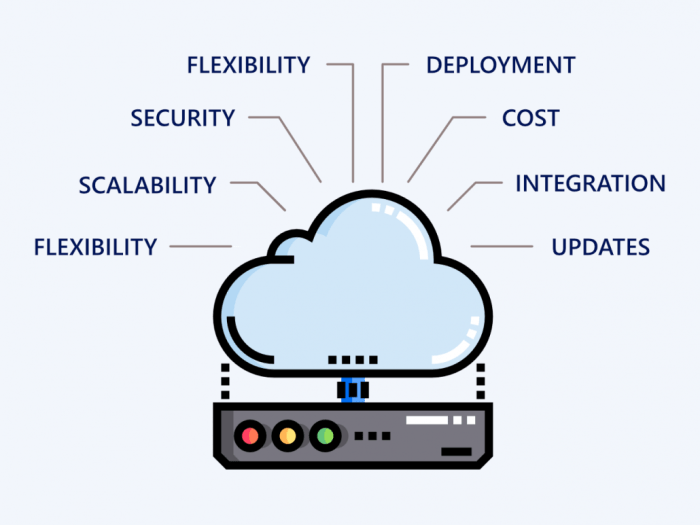
CRM flexibility isn’t just a buzzword; it’s the lifeline of a modern sales and marketing strategy. In today’s rapidly changing business landscape, rigid systems can quickly become outdated and ineffective. A truly flexible CRM empowers businesses to adapt to evolving customer needs, market trends, and internal growth, driving agility and long-term success. Imagine a CRM that effortlessly integrates with your e-commerce platform or seamlessly adapts to a new sales process.
That’s the power of CRM flexibility.Flexibility in a CRM system allows businesses to tailor their processes and data to fit their specific requirements, avoiding the expensive and time-consuming process of constant system upgrades. This translates to better customer experiences, increased efficiency, and a significant competitive edge. A flexible CRM is one that can evolve alongside your business.
Key Characteristics of CRM Flexibility, The Benefits of Cloud Hosting for CRM Flexibility
CRM flexibility encompasses a multitude of crucial characteristics. These include adaptability to changing business processes, scalability to accommodate future growth, and the ability to integrate with other systems. It’s not just about adding new features; it’s about the system’s capacity to handle diverse data formats and integrate seamlessly with other applications. Think about how your CRM can evolve from managing a few hundred leads to tens of thousands without breaking a sweat.
That’s flexibility in action.
Cloud hosting offers amazing CRM flexibility, but did you know VPS hosting also has its perks? Want to dive deeper into the advantages of VPS hosting for your CRM? Check out this insightful piece on Exploring the Benefits of VPS Hosting for CRM. Ultimately, understanding both options empowers you to choose the best fit for your CRM needs, ensuring maximum scalability and performance, which is crucial for any business in today’s fast-paced world.
Cloud hosting remains a strong contender for its agility and cost-effectiveness.
Types of CRM Flexibility
CRM flexibility isn’t a monolithic concept; it manifests in various forms.
- Functional Flexibility: This refers to the system’s ability to adjust its features and functionalities to meet evolving business needs. This might involve adding new modules, modifying existing ones, or customizing workflows to align with specific business processes. For instance, a retail company might need a CRM that can track inventory levels, manage returns, and offer personalized recommendations. Functional flexibility allows for these customizations.
- Operational Flexibility: This focuses on the system’s ability to handle different data formats, integrate with other applications, and support various operational processes. This is essential for businesses that operate in diverse markets or have complex customer interactions. Think about a company handling B2B and B2C customers; operational flexibility allows them to handle both effectively.
- Strategic Flexibility: This goes beyond the functional and operational aspects, focusing on the CRM’s ability to support long-term strategic goals. This includes adapting to evolving market trends, supporting new business models, and facilitating strategic decision-making. A company aiming to enter a new market segment needs a CRM that can easily adapt to the different needs and reporting structures of that market.
Importance of Flexibility in Modern CRM Systems
In today’s fast-paced business environment, a flexible CRM system is more than just a tool; it’s a strategic asset. It empowers businesses to respond swiftly to market changes, experiment with new approaches, and maintain a competitive edge. Without flexibility, businesses risk being left behind as competitors adopt more adaptable solutions. A flexible system is a cornerstone of agility and growth.
CRM Deployment Models and Flexibility
Different deployment models offer varying levels of flexibility. Choosing the right model is critical for long-term success.
| Deployment Model | Flexibility | Advantages | Disadvantages |
|---|---|---|---|
| On-Premises | Lower | Greater control over data, potential cost savings for very large companies with extensive IT staff. | Limited scalability, high upfront costs, difficult to adapt to changing needs. |
| Cloud-Based | Higher | Scalability, ease of access, lower upfront costs, continuous updates, and improved collaboration. | Security concerns (though often mitigated with robust security measures), vendor lock-in potential. |
Cloud-based CRM systems often demonstrate superior flexibility due to their scalability and adaptability. This makes them a compelling choice for businesses looking to grow and evolve without major infrastructure overhauls. Think about the agility gained from effortlessly scaling your CRM to accommodate rapid business growth. That’s the power of a flexible cloud-based solution.
Cloud Hosting’s Impact on CRM Flexibility
Cloud hosting isn’t just a trend; it’s a game-changer for businesses looking to leverage CRM systems effectively. Gone are the days of expensive, inflexible on-premises solutions. Cloud-based CRMs offer unparalleled agility and adaptability, allowing businesses to adjust their CRM strategies to match their evolving needs with ease. This flexibility is crucial in today’s dynamic market, enabling businesses to stay ahead of the competition.Cloud hosting fundamentally alters how businesses interact with their CRM systems.
Traditional on-premises solutions often require significant upfront investments in hardware and software, along with dedicated IT staff to manage and maintain them. This rigidity can hinder a business’s ability to adapt to changing market conditions or new opportunities. Cloud hosting, on the other hand, offers a subscription-based model, minimizing initial costs and freeing up internal resources. This shift allows businesses to focus on core competencies rather than IT infrastructure management.
Scalability and Adaptability in Cloud-Based CRMs
Cloud-based CRM systems excel at scalability, a critical aspect of flexibility. Businesses can easily adjust the resources allocated to their CRM based on fluctuating demands. Imagine a seasonal business needing a surge in CRM capacity during peak sales. With a cloud-based solution, scaling up is a simple process, eliminating the need for extensive hardware upgrades. Conversely, during slow periods, resources can be scaled down, optimizing costs.
This adaptability is a significant advantage over traditional on-premises systems, which often lack this dynamic scaling capability. This scalability directly translates to a more flexible CRM that can support growth and adjust to changing business needs.
Adjusting CRM Functionalities to Evolving Business Needs
Cloud-based CRM systems are built for adaptability. Businesses can modify the functionalities of their CRM to meet changing business needs. A retail company might initially use a CRM for basic customer management. As the business grows and adds new products or services, they can easily expand the CRM’s capabilities to encompass order processing, inventory management, and more.
This flexibility allows businesses to avoid the costly and time-consuming process of switching to a new system as their needs evolve. In essence, the CRM adapts alongside the business.
Cloud hosting is awesome for CRM flexibility, giving you the ability to scale up or down easily. But, choosing the right server hosting is key to maximizing your CRM’s scalability, and that’s where Choosing Server Hosting to Enhance CRM Scalability comes in handy. Ultimately, cloud hosting’s agility and cost-effectiveness make it a top choice for CRM growth and efficiency.
Automated Updates and Maintenance
Cloud-based CRM platforms handle updates and maintenance automatically. This automation frees up IT resources and allows for consistent system improvements. No more worrying about outdated software or security vulnerabilities. Automated updates ensure the CRM is always running on the latest version, enhancing its functionality and security. Furthermore, regular maintenance is performed seamlessly in the background, keeping the system running smoothly and reliably.
This hands-off approach contributes significantly to the overall flexibility of the system.
Comparison of Cloud CRM Platforms
| CRM Platform | Scalability | Customization | Support | Pricing |
|---|---|---|---|---|
| Salesforce | Excellent | High | Extensive | Variable |
| Zoho CRM | Good | Moderate | Comprehensive | Competitive |
| HubSpot CRM | Good | Moderate | Excellent | Affordable |
| Microsoft Dynamics 365 | Excellent | High | Robust | Variable |
The table above presents a comparative overview of popular cloud CRM platforms, highlighting key flexibility features. Different platforms offer varying levels of scalability, customization options, and support. Businesses should carefully evaluate these factors when selecting a CRM solution to ensure it aligns with their specific needs and future growth plans. Choosing the right platform is a crucial step toward achieving optimal CRM flexibility.
Benefits of Cloud Hosting for CRM Adaptability
Cloud hosting isn’t just about storage; it’s about agility. For businesses, especially in today’s rapidly changing market, a CRM system that adapts quickly to shifting customer needs and evolving trends is crucial. Cloud hosting empowers CRMs to become dynamic tools, allowing businesses to react swiftly to new opportunities and challenges. This adaptability directly impacts revenue and customer satisfaction.Cloud-based CRMs are designed to be flexible and scalable.
This flexibility translates into a company’s ability to adjust to market shifts, whether it’s a sudden surge in demand or a new competitor entering the market. This real-time responsiveness allows businesses to quickly adapt to changes, rather than being caught off guard.
Real-Time Data Access and Collaboration
Real-time data access is a game-changer in cloud-based CRM systems. Employees across departments can access and update customer data simultaneously, fostering better collaboration and enabling faster responses to changing customer needs. This immediacy is vital for adaptability. Imagine a sales team seeing a customer’s purchase history and support interactions in real-time; this instantaneous insight enables them to tailor their approach and close deals more effectively.
This instant visibility, a key benefit of cloud hosting, fosters a culture of responsiveness within the organization.
Implementing New Features and Functionalities
Cloud-based CRM systems often feature robust APIs (Application Programming Interfaces). These APIs allow for seamless integration with other business applications, enabling businesses to easily add new features and functionalities without significant IT infrastructure overhauls. This means businesses can respond to evolving customer needs and market trends by quickly incorporating new tools and processes. For example, a company might want to integrate a new marketing automation tool or a customer feedback platform.
With a cloud-based CRM, these integrations are typically much faster and less costly than with traditional on-premise systems.
API Integrations and Adaptability
APIs are the secret sauce for adaptability in cloud-based CRM systems. They allow for seamless connections with other applications, enabling businesses to extend the CRM’s capabilities. A robust API strategy empowers businesses to connect their CRM with marketing automation platforms, e-commerce solutions, or even custom-built applications. This level of integration lets businesses react quickly to changing customer behaviors and market conditions.
For instance, a retailer might integrate their CRM with a loyalty program, enabling them to offer tailored promotions based on real-time customer data.
Features Enhancing CRM Adaptability
| Feature | Explanation |
|---|---|
| Scalability | Cloud-based CRMs can easily scale up or down to accommodate fluctuating business needs. This adaptability is crucial for handling seasonal spikes in demand or new market expansion. |
| Real-Time Data Synchronization | Data updates are reflected across all users instantly, ensuring everyone has the most current information. This real-time synchronization is essential for quick decision-making and adaptable responses. |
| Customizable Dashboards | Users can customize dashboards to view specific metrics and data relevant to their roles and responsibilities. This personalization empowers users to react effectively to changes in performance or market trends. |
| Automated Workflows | Automated workflows streamline processes and ensure consistent actions for specific customer interactions. These automated workflows help businesses react faster to recurring tasks or customer behaviors. |
| API Integrations | Integrations with other applications allow for seamless data exchange and expansion of CRM functionality. This adaptability is vital for integrating new tools or features quickly. |
Cloud Hosting for Enhanced CRM Functionality
Cloud hosting isn’t just about flexibility and adaptability; it’s a game-changer for theactual functionality* of your CRM system. Imagine unlocking a wider range of features, integrating seamlessly with other tools, and customizing your CRM to perfectly match your business needs. Cloud-based CRM systems are increasingly powerful, providing businesses with the tools they need to thrive in today’s dynamic market.Cloud hosting unlocks a treasure trove of advanced CRM functionalities, going beyond the basics.
It’s like upgrading your software suite without the hefty upfront costs and complex installations. You gain access to features that would otherwise be unavailable or prohibitively expensive. This allows businesses to optimize processes, improve customer interactions, and ultimately, drive more revenue.
Access to a Broader Range of CRM Functionalities
Cloud-based CRM platforms offer a wider range of functionalities compared to traditional on-premises systems. This is due to the scalable nature of cloud computing, which allows for constant updates and feature additions without the need for major system overhauls. Businesses can access a wider array of features like advanced analytics, comprehensive reporting, and AI-powered insights, all integrated seamlessly into their CRM system.
Advanced Features and Capabilities
Cloud-based CRM systems often include more advanced features than their on-premises counterparts. These advanced features can significantly impact a business’s efficiency and productivity. Examples include AI-powered lead scoring, predictive analytics, and sophisticated campaign management tools. These tools help businesses make more informed decisions and optimize their marketing strategies.
CRM Integration with Other Business Applications
The cloud’s inherent connectivity facilitates seamless integration with other business applications. This means your CRM can talk to your marketing automation software, your accounting system, and even your customer support tools, streamlining workflows and providing a unified view of your customers. This eliminates data silos and gives you a holistic view of your business operations.
Customization and Configuration Options
Cloud-based CRMs often provide robust customization and configuration options. This allows businesses to tailor the system to their specific needs and workflows. While not as granular as some on-premises solutions, cloud-based customization allows for significant adjustments to fields, workflows, and integrations. This tailoring is crucial for maximizing the CRM’s efficiency within a particular business context.
Table: Cloud CRM Solution Functionality Support
| Cloud CRM Solution | Advanced Analytics | AI-Powered Lead Scoring | Integration with Marketing Automation | Customizable Workflows |
|---|---|---|---|---|
| Salesforce | Yes | Yes | Yes | Yes |
| HubSpot | Yes | Yes | Yes | Yes |
| Zoho CRM | Yes | Yes | Yes | Yes |
| Microsoft Dynamics 365 | Yes | Yes | Yes | Yes |
Note: This table provides a general overview. Specific functionalities may vary based on the chosen plan and specific features within each CRM.
Cloud Hosting for Improved CRM Accessibility
Cloud hosting isn’t just about storing data; it’s about unlocking your CRM’s potential for global teams and remote workforces. Imagine a sales team collaborating seamlessly across continents, accessing crucial customer data from anywhere, anytime. This is the power of cloud hosting, transforming how you interact with your CRM. It’s about agility, efficiency, and ultimately, driving better results.Cloud hosting fundamentally changes the way CRM systems operate, making data instantly accessible to authorized users regardless of their location.
This empowers remote teams and fosters a more dynamic and flexible work environment. The ability to access critical information from anywhere, at any time, is crucial for modern businesses.
Global Access and Remote Collaboration
Cloud hosting breaks down geographical barriers, enabling teams to work together effectively, regardless of their location. This collaborative environment fosters innovation and quicker response times to customer needs. Users can access and update CRM data from anywhere with an internet connection, promoting global collaboration.
Mobile Access and Work from Anywhere
Cloud-based CRM systems excel in supporting mobile access. This allows sales representatives, customer service agents, and other personnel to access crucial customer information on the go, whether they’re in the office, at a client’s location, or working remotely. This flexibility significantly enhances productivity and responsiveness. Modern businesses rely heavily on mobile access, and cloud-based solutions readily accommodate this need.
Security Measures in Cloud-Based CRM Systems
Security is paramount in cloud-based CRM systems. Robust security measures are essential to protect sensitive customer data and maintain user trust. These measures often include encryption, access controls, and regular security audits. Cloud providers typically invest heavily in security infrastructure, ensuring the safety and integrity of data stored in their systems.
Comparison of Security Features in Different Cloud-Based CRM Solutions
Different cloud-based CRM solutions vary in their security features. Some solutions might offer more robust encryption protocols than others. The level of access control and user authentication also varies significantly. It’s crucial to evaluate the specific security features of each solution to ensure it meets your organization’s unique needs and regulatory requirements. For example, solutions targeting highly regulated industries (like finance or healthcare) will have more stringent security measures.
Thorough research and comparisons are vital to choose the right solution.
Mobile and Remote Access Features of Cloud CRM Platforms
| Cloud CRM Platform | Mobile Access | Remote Access | Collaboration Tools |
|---|---|---|---|
| Salesforce | Comprehensive mobile app with access to all core features | Remote access through web interface and mobile app | Built-in tools for team communication and file sharing |
| Microsoft Dynamics 365 | Mobile app for sales, service, and marketing | Remote access via web and mobile app | Integrates with Microsoft Office 365 for collaboration |
| Zoho CRM | Mobile app with access to core features | Remote access via web interface and mobile app | Offers various collaboration tools within the platform |
| HubSpot CRM | Mobile app with key functionalities | Remote access via web interface and mobile app | Integrates with other HubSpot tools for better collaboration |
This table provides a concise overview of the mobile and remote access features available on various popular cloud CRM platforms. Detailed comparison tables and product documentation on each platform’s website will provide a more comprehensive understanding of their specific features. The table highlights the crucial aspect of remote access and mobile support offered by different CRM providers.
Illustrative Case Studies

Want to see how cloud hosting can seriously boost your CRM? Forget abstract theories – let’s dive into real-world examples of businesses that’ve used cloud-based CRMs to skyrocket their flexibility, efficiency, and market responsiveness. These aren’t just success stories; they’re blueprints for your own CRM transformation.Cloud hosting isn’t just about moving data to the cloud; it’s about unlocking a whole new level of business agility.
These case studies highlight how companies used cloud-based CRM systems to adapt to market shifts, streamline processes, and ultimately, achieve greater success.
Example of a Growing E-commerce Business
This e-commerce company, initially struggling with a cumbersome on-premise CRM, experienced significant growth. Their previous system couldn’t keep pace with order volumes and lacked the scalability needed to handle increased customer service demands. Migrating to a cloud-based CRM solution allowed them to effortlessly scale resources up or down as needed, ensuring smooth operations during peak seasons. The cloud CRM provided real-time data insights, enabling the company to personalize customer interactions and boost sales conversions.
This adaptability to fluctuating demand ultimately resulted in increased revenue and customer satisfaction.
Adapting to Market Shifts with a Cloud-Based CRM
A marketing agency needed to adjust their services in response to a sudden shift in client preferences. Their cloud-based CRM allowed them to quickly reconfigure workflows and tailor their campaigns to the new demands. The real-time data from the cloud CRM enabled the agency to identify trends and make informed decisions, ensuring they remained competitive and relevant in the market.
They were able to effectively re-direct their resources and stay ahead of the curve, gaining new clients and retaining existing ones.
Streamlining Workflows and Enhancing Efficiency
A mid-sized manufacturing company used a cloud-based CRM to streamline its sales and customer service processes. The company was able to integrate their CRM with other crucial business applications, creating a seamless flow of information between departments. This integration reduced manual data entry, automated tasks, and improved overall efficiency. The cloud-based CRM also empowered field representatives with real-time access to customer information, leading to more effective interactions and faster resolution times.
Table Comparing Success Stories
| Company | Industry | Problem Solved | Cloud CRM Benefit | Outcome |
|---|---|---|---|---|
| E-commerce Startup | Retail | Scalability issues during peak seasons | Cloud CRM’s ability to scale resources | Increased revenue and customer satisfaction |
| Marketing Agency | Marketing | Adapting to changing client preferences | Real-time data insights for informed decisions | Retained existing clients and gained new ones |
| Manufacturing Company | Manufacturing | Inefficient sales and customer service processes | Streamlined workflows and automated tasks | Improved efficiency and faster resolution times |
Illustrative Examples of Cloud CRM Solutions
Cloud CRMs are no longer a niche tool; they’re becoming the standard for businesses of all sizes. Understanding how different platforms work and how they address specific industry needs is key to choosing the right one for your business. This section dives into several popular cloud CRM solutions, showcasing their features, flexibility, and pricing models to help you make an informed decision.Choosing the right cloud CRM is crucial for business success.
Different platforms cater to different needs, from small startups to large enterprises. The features, pricing, and adaptability of each platform directly impact a company’s efficiency and ability to scale. Examining these factors allows you to identify the best fit for your specific business requirements.
Popular Cloud CRM Platforms
Several popular cloud-based CRM platforms dominate the market, each with unique strengths and weaknesses. Understanding their core functionalities helps you identify the ideal platform for your business. These platforms often include features like contact management, sales tracking, marketing automation, and customer service support.
- Salesforce: A widely recognized leader, Salesforce offers a comprehensive suite of CRM tools. It’s known for its robust features, customizable dashboards, and extensive reporting capabilities. Salesforce caters to a wide range of industries and business sizes, from small businesses to large enterprises. Its flexibility allows for adaptation to various processes and workflows. Salesforce’s pricing is often tiered, with costs varying based on the features and user licenses selected.
- HubSpot CRM: HubSpot CRM is a powerful and affordable option, particularly for smaller businesses. It’s known for its user-friendly interface and ease of integration with other HubSpot tools like marketing and service automation. This integrated approach streamlines workflows and enhances productivity. HubSpot’s pricing model is often based on the volume of contacts and features required.
- Zoho CRM: Zoho CRM offers a versatile and feature-rich platform that can be tailored to diverse business needs. It boasts an extensive range of functionalities, from contact management and lead nurturing to sales forecasting and customer service. Zoho’s flexibility is apparent in its adaptability to various industries and company sizes. Pricing models are typically tiered, offering a variety of options for different budget ranges.
- Microsoft Dynamics 365: This comprehensive solution, from Microsoft, provides a robust CRM platform that integrates seamlessly with other Microsoft products. It is a strong contender for businesses that value tight integration and advanced analytics capabilities. The pricing structure is often complex, with pricing varying significantly based on features and customization needs.
Comparative Analysis of Pricing Models
Understanding the pricing structures of these platforms is crucial for budgeting. Different platforms offer various tiers and pricing models, which significantly affect the total cost of ownership. Factors such as the number of users, features, and storage capacity typically influence the cost.
| CRM Platform | Basic Plan Pricing (USD/month) | Features | Limitations |
|---|---|---|---|
| Salesforce | $25/user/month (approx.) | Basic contact management, sales tracking, reporting | Limited customization options; higher cost for advanced features |
| HubSpot CRM | Free (limited features) $45/month (approx.) | Free plan with limited features; paid plans include more extensive sales and marketing automation | Limited customization compared to Salesforce |
| Zoho CRM | $15/user/month (approx.) | Contact management, sales pipeline management, and reporting | May require additional add-ons for certain functionalities |
| Microsoft Dynamics 365 | $75/user/month (approx.) | Robust features including sales, service, and marketing automation | Pricing structure can be complex and vary based on customization needs |
Ultimate Conclusion: The Benefits Of Cloud Hosting For CRM Flexibility
In conclusion, cloud hosting is a game-changer for CRM systems. It empowers businesses with unparalleled flexibility, adaptability, and accessibility, enabling them to respond swiftly to market changes, optimize functionalities, and ultimately, achieve remarkable growth. The benefits are substantial, and the future of CRM is undeniably cloud-based. This report offers a roadmap for businesses looking to leverage cloud hosting for their CRM needs, ensuring they’re equipped to thrive in today’s dynamic market.
Top FAQs
What are the key differences between on-premises and cloud-based CRM deployments in terms of flexibility?
On-premises CRMs often lack the scalability and adaptability of cloud solutions. Cloud CRMs allow for easier adjustments to functionalities and features as business needs change. On-premises solutions can be more complex and expensive to maintain.
How does cloud hosting impact CRM scalability?
Cloud hosting allows for effortless scaling of CRM resources, accommodating rapid growth and changing demands. This scalability is often a major advantage over traditional on-premises solutions.
What security measures are typically implemented in cloud-based CRM systems?
Cloud CRM providers invest heavily in security measures to protect sensitive data. These include encryption, access controls, and regular security audits.
What are some common integration challenges when using cloud-based CRM with other business applications?
Integration challenges can arise with any software. Thorough planning and vendor selection are key. Cloud CRM providers often offer APIs and integrations to address this, but careful configuration is crucial.