Boosting CRM Flexibility with Scalable Server Solutions is crucial for modern businesses. Crumbling CRM systems, plagued by inflexibility, are a drag on growth. Scalable servers offer a powerful solution, unlocking CRM potential and transforming how you manage customer interactions. This guide dives deep into the strategies for maximizing CRM flexibility with scalable server solutions, from choosing the right setup to optimizing performance and managing scalability.
Today’s dynamic business environment demands CRM systems that can adapt and grow alongside your needs. Scalable server solutions are the key to unlocking this flexibility, enabling your CRM to handle increasing data volumes, user demands, and complex functionalities. This comprehensive guide walks you through the entire process, from understanding the fundamentals to achieving optimal CRM performance.
Introduction to CRM Flexibility
CRM flexibility isn’t just a buzzword; it’s the cornerstone of a successful CRM strategy in today’s rapidly evolving business landscape. A flexible CRM allows your business to adapt to changing customer needs, evolving market demands, and internal growth without major disruptions or costly overhauls. It’s about having a system that can grow with you, not one that restricts your potential.A flexible CRM system is crucial for staying competitive.
In a world where customer expectations are sky-high and market conditions shift constantly, rigidity in your CRM can lead to lost opportunities and stifled growth. This adaptability is vital for businesses to remain responsive, optimize workflows, and ultimately, deliver exceptional customer experiences.
Defining CRM Flexibility
CRM flexibility encompasses the ability of a customer relationship management system to adjust to varying business needs and scale effectively. This includes the adaptability of processes, workflows, and data management capabilities. A flexible CRM allows for modifications and customizations without significant technical challenges or long implementation times. Crucially, it’s about the system’s capacity to accommodate different departments and roles within a company, ensuring that each user can access and utilize the information they need to do their job effectively.
Importance of CRM Flexibility in Today’s Business Environment
The modern business environment demands adaptability. Customers expect personalized interactions and seamless experiences across multiple touchpoints. A rigid CRM system can hinder this. Inflexible CRMs often lead to a disconnect between the sales, marketing, and customer service teams, which ultimately impacts the overall customer experience.
Challenges with Inflexible CRM Systems
Businesses face numerous challenges when their CRM systems lack flexibility. These include:
- Limited Customization: Inflexible systems often restrict the ability to tailor the CRM to specific business processes, leading to inefficiencies and wasted effort. This means teams are forced to work around the system rather than with it.
- Integration Issues: Inflexible CRMs struggle to integrate with other essential business applications, such as marketing automation tools or e-commerce platforms. This lack of integration can create silos of data and make it difficult to gain a holistic view of the customer.
- Slow Implementation and Upgrade Cycles: Implementing changes or upgrades to an inflexible CRM can be a lengthy and costly process. This delays improvements and prevents the business from keeping pace with industry trends.
- Resistance to Change: Inflexible systems can hinder employees’ adoption of new technologies and processes. This can lead to a lack of engagement and potentially decrease productivity.
Examples of How Inflexible CRM Systems Hinder Business Growth
A company using an inflexible CRM might struggle to manage the complexities of a growing e-commerce operation. Adding new product lines or integrating with third-party shipping services could prove incredibly difficult, delaying growth opportunities. Imagine a marketing team trying to implement a new lead nurturing campaign—if their CRM isn’t flexible enough to track interactions and segment audiences, the campaign could fall flat.
Comparing Levels of CRM Flexibility
The following table illustrates the differences in flexibility across various CRM tiers:
| Level of Flexibility | Features | Scalability | Customization | Integration |
|---|---|---|---|---|
| Basic | Limited customization options, pre-defined workflows. | Basic scaling, often limited storage capacity. | Minimal customization. | Limited integration with external tools. |
| Intermediate | More customization options, some workflow automation. | Moderate scaling capabilities. | Moderate customization options, often requiring some coding. | Moderate integration capabilities with some external tools. |
| Advanced | Extensive customization options, advanced workflow automation. | High scalability, flexible storage capacity. | Extensive customization, often using APIs and custom integrations. | Extensive integration with external tools, including APIs. |
Understanding Scalable Server Solutions
Scaling your CRM isn’t just about adding more features; it’s about ensuring your system can handle increasing data volumes and user traffic without breaking a sweat. This hinges on choosing the right scalable server solution. Imagine your CRM as a highway. You need a robust highway system that can handle more cars (users) and more freight (data) as your business grows.
A poorly designed system will lead to traffic jams and slowdowns, ultimately impacting your bottom line. Scalable server solutions are the key to keeping that highway flowing smoothly.Scalable server solutions are designed to adapt and grow with your business needs. They provide the necessary infrastructure and resources to handle fluctuating demands, ensuring optimal performance and user experience.
The crucial aspect is anticipating future needs and building a foundation that can handle them without significant disruptions. This adaptability is vital for long-term CRM success.
Defining Scalable Server Solutions
Scalable server solutions are IT infrastructures capable of increasing or decreasing computing resources—processing power, memory, storage—to accommodate changing workloads. This dynamic adjustment allows businesses to avoid costly upgrades or underpowered systems that struggle to meet demands. Think of it as a system that automatically adjusts to the flow of traffic on your business highway.
Types of Scalable Server Solutions
Different approaches exist for building scalable server solutions. The most common are cloud-based and on-premise solutions.
- Cloud-based solutions leverage remote servers hosted by third-party providers. This model offers flexibility and scalability, often with pay-as-you-go pricing. Imagine renting a highway section that expands as needed without needing to build it yourself.
- On-premise solutions, conversely, involve installing and maintaining servers within your own physical data center. This gives you more control but comes with higher upfront costs and ongoing maintenance responsibilities. Think of this as owning and maintaining your entire highway network, which can be costly but allows for complete customization.
Benefits of Scalable Server Solutions for CRM
Scalable server solutions provide numerous benefits for CRM systems:
- Enhanced Performance: As your business grows, a scalable server can handle increased data processing and user requests, maintaining swift response times and preventing slowdowns.
- Improved User Experience: Faster response times and fewer system errors contribute to a smoother and more enjoyable user experience, leading to increased productivity and customer satisfaction.
- Reduced Costs: Cloud-based solutions, in particular, often reduce long-term infrastructure costs by eliminating the need for large capital investments in hardware and maintenance.
- Increased Availability: Redundancy and disaster recovery mechanisms built into scalable solutions can minimize downtime and maintain system availability, which is critical for CRM systems.
Scalability Impact on CRM Performance and User Experience
Scalability directly affects CRM performance and user experience. A scalable system can handle peak loads without performance degradation, preventing delays and frustration for users. This consistent performance is essential for maintaining a high-quality user experience.
Server Redundancy and Disaster Recovery, Boosting CRM Flexibility with Scalable Server Solutions
Robust CRM systems require server redundancy and disaster recovery mechanisms. Redundancy ensures that if one server fails, another takes over seamlessly, minimizing downtime. Disaster recovery plans Artikel steps to restore data and functionality in the event of a major outage. This ensures business continuity.
Comparison of Server Solution Types
| Feature | Cloud-Based | On-Premise |
|---|---|---|
| Cost | Generally lower, pay-as-you-go | Higher upfront costs, ongoing maintenance |
| Scalability | Highly scalable, easily adjust resources | Requires careful planning and potentially costly upgrades |
| Control | Limited control over infrastructure | Full control over infrastructure |
| Maintenance | Managed by provider | Requires internal IT expertise |
| Security | Often robust security measures provided by the provider | Requires internal security measures and compliance |
Integrating Scalable Servers with CRM Systems
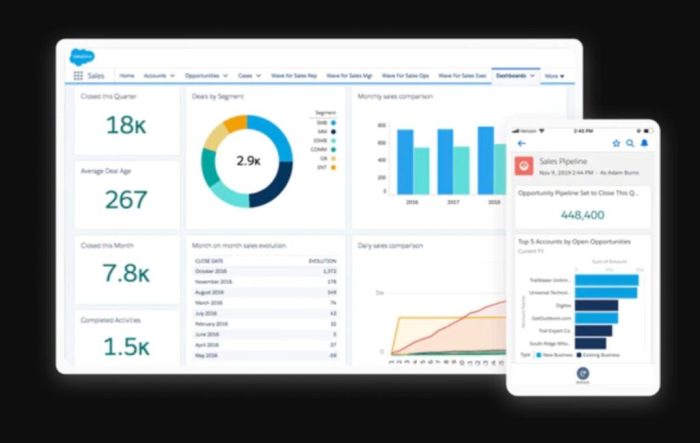
Integrating scalable server solutions with your CRM system is crucial for growth. A rigid CRM, unable to adapt to increasing data volumes or user demands, can quickly become a bottleneck. This often leads to frustrating slowdowns, user experience issues, and ultimately, missed opportunities. Smart businesses understand the need for a flexible, powerful platform to support their evolving CRM needs.Choosing the right scalable server solution and integrating it seamlessly is a strategic investment, not just a technical task.
It’s about ensuring your CRM remains a powerful tool for growth, not a hurdle to overcome. Proper integration unlocks a wealth of benefits, from improved performance and efficiency to a more scalable and adaptable system.
Steps Involved in Integration
Integrating scalable servers with your CRM system is a multi-step process. It’s not a one-click solution. Thorough planning and execution are essential. Start with a clear understanding of your CRM’s needs and the server’s capabilities.
- Assessment and Planning: Determine the specific requirements of your CRM. Consider factors like anticipated data growth, user volume, and performance expectations. This crucial first step involves analyzing your current CRM usage, identifying potential bottlenecks, and estimating future needs. A detailed specification document outlining these requirements is essential for selecting the right server.
- Server Selection: Choose a server solution that aligns with your CRM’s needs and scalability requirements. Evaluate different cloud providers, on-premise solutions, and their pricing models. Consider factors like security, reliability, and performance. Don’t just pick the cheapest option; look for a balance between cost and capabilities.
- API Integration: Most modern CRMs utilize APIs (Application Programming Interfaces). Utilize these APIs to establish communication channels between your CRM and the server. The API documentation will guide you on the specific steps and parameters for data exchange. This is a critical step as it dictates how your CRM will interact with the new server.
- Data Migration: Migrate existing CRM data to the new server environment. This is often a complex process requiring careful planning and testing to ensure data integrity. Choose a migration method that best suits your data volume and CRM type.
- Testing and Validation: Thoroughly test the integrated system to ensure that all functions work as expected. Simulate different scenarios to verify data transfer, performance under load, and security. This crucial step prevents unexpected issues after deployment.
- Deployment and Monitoring: Deploy the integrated system and monitor its performance. Continuously monitor server resources and CRM functionality to identify and address any issues promptly. Scalable servers often require ongoing monitoring and adjustment to ensure optimal performance.
Technical Considerations for Seamless Integration
Several technical aspects impact the success of the integration. Understanding these nuances is critical to avoid costly errors.
- Data Security: Implement robust security measures to protect sensitive CRM data during integration and ongoing operation. Use encryption, access controls, and other security protocols to safeguard information.
- Performance Optimization: Optimize data transfer and processing to ensure smooth CRM operation. Consider caching strategies, database indexing, and other performance-enhancing techniques.
- Scalability: Choose a server solution that can handle future growth. This ensures your CRM can adapt to increasing data volumes and user demands without performance degradation.
- Redundancy: Consider redundancy and failover mechanisms to ensure continuous CRM operation in case of server failures. A robust system ensures business continuity.
Choosing the Right Server Solution
Selecting the right server solution depends on your CRM system and specific needs. No one-size-fits-all solution exists.
- Cloud-Based Servers: Cloud solutions offer flexibility and scalability but require reliable internet connectivity. They are generally easier to manage, but you need to be aware of potential bandwidth costs.
- On-Premise Servers: On-premise solutions provide more control but require significant upfront investment in hardware and IT infrastructure. They are ideal for businesses with specific security requirements or limited access to cloud services.
Integration Approaches
Different integration approaches cater to diverse needs. Choose the method that best suits your CRM system and technical resources.
- API-Based Integration: Using APIs for integration provides flexibility and allows for easy modification and scaling. It’s often the preferred choice for its efficiency and scalability.
- Custom Solutions: Custom solutions offer tailored integration but require significant development resources. Consider custom solutions if your CRM has unique requirements not supported by standard APIs.
Examples of Successful Integrations
Many successful integrations exist, demonstrating the feasibility and benefits. Researching similar cases can provide valuable insights. Look for instances where companies have successfully migrated their CRMs to scalable servers, focusing on how they addressed the challenges.
Flowchart of the Integration Process
[A flowchart illustrating the steps above would be helpful here. It should visually guide the reader through the integration process, making it easy to understand the sequential nature of the tasks. A flowchart would depict the steps from assessment and planning to deployment and monitoring. Consider using shapes like rectangles for actions, diamonds for decisions, and arrows for flow.
The flowchart should visually depict the sequence of tasks involved in the integration process, from beginning to end.]
Enhancing CRM Functionality with Scalable Servers
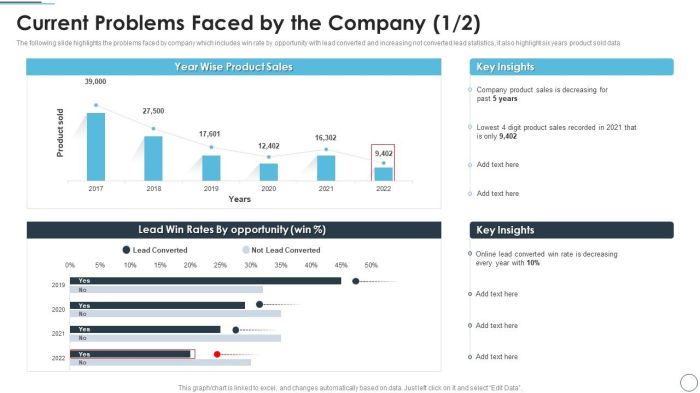
Scalable server solutions are no longer a luxury but a necessity for modern CRMs. Businesses are generating more data than ever before, and traditional CRM systems struggle to keep pace. This leads to slowdowns, data bottlenecks, and ultimately, a less effective sales and marketing process. Enter scalable servers – the key to unlocking CRM potential and achieving exponential growth.Scalable servers empower CRMs to handle increasing workloads and data volumes without performance hiccups.
By distributing the load across multiple servers, you can maintain a smooth user experience, regardless of the number of users or the amount of data being processed. This translates to faster response times, improved data accuracy, and ultimately, happier customers.
Want to supercharge your CRM’s flexibility? Scalable server solutions are key. Choosing the right hosting, like in Scaling CRM with Powerful Server Hosting Solutions , is crucial for future-proofing your system. This allows your CRM to handle growth without hiccups, keeping everything running smoothly and efficiently. Ultimately, boosting CRM flexibility with scalable server solutions is the best way to future-proof your business.
Specific CRM Functionalities Benefiting from Scalable Servers
CRM systems rely on various functionalities for optimal performance. Scalable servers significantly improve these functionalities. Key areas include data storage, reporting, user access, and data processing. These functionalities are integral to CRM operations, and scalable servers allow for seamless scaling as data volume grows.
Data Storage Enhancement
Data storage is a cornerstone of any CRM system. As data volumes increase, traditional storage methods struggle to maintain speed and reliability. Scalable servers address this by providing a distributed storage architecture. This allows for faster data retrieval and significantly reduces storage bottlenecks. A distributed storage system essentially divides the storage load among multiple servers, preventing any single point of failure.
This distributed approach ensures data redundancy, increasing reliability and reducing data loss risk.
Reporting Performance Improvement
Scalable servers drastically enhance CRM reporting capabilities. Complex reports that once took hours to generate can be completed in minutes. This acceleration is achieved by distributing the reporting workload across multiple servers. This parallel processing significantly reduces query times and provides real-time insights, allowing for quicker decision-making. Imagine a sales team needing real-time sales reports.
Scalable servers allow for instantaneous data analysis, empowering informed decisions that directly impact revenue.
Enhanced User Access and Response Time
User access is crucial for CRM effectiveness. Scalable servers ensure seamless user access by handling simultaneous requests from multiple users. This is achieved through load balancing, a crucial component of scalable server architecture. Load balancing distributes the user load across multiple servers, preventing any single server from being overwhelmed. This results in faster response times, reducing frustration for users and improving overall CRM usability.
Want to supercharge your CRM’s flexibility? Scalable server solutions are key. Choosing the right hosting is crucial for this, and understanding the different options is a game-changer. For a deep dive into how to choose the best server hosting for CRM systems, check out this helpful guide: How to Choose the Best Server Hosting for CRM Systems.
This knowledge will empower you to pick the perfect server setup, ultimately boosting your CRM’s adaptability and performance.
The seamless user experience contributes directly to increased employee productivity.
Optimizing CRM Performance Using Scalable Servers
Optimizing CRM performance with scalable servers involves several strategies. First, choose a scalable server solution that aligns with your current and future needs. This proactive approach prevents performance bottlenecks down the line. Second, implement load balancing to distribute the workload efficiently. Third, utilize caching mechanisms to store frequently accessed data, further improving response times.
These steps ensure a smooth user experience, regardless of the number of users or the data volume.
Impact of Data Volume on CRM Performance
As data volume increases, CRM performance can significantly degrade. This is often due to slower data retrieval times, storage limitations, and processing bottlenecks. Scalable servers mitigate this issue by providing the necessary infrastructure to handle expanding data volumes. By distributing the load, scalable servers maintain performance consistency, irrespective of data growth. This is vital for businesses anticipating substantial future growth.
Imagine a rapidly growing e-commerce business; scalable servers allow them to handle the surge in data without experiencing any service interruptions.
Key Performance Indicators (KPIs) to Measure CRM Performance Improvements
To measure the impact of scalable servers on CRM performance, use specific KPIs. These KPIs provide tangible metrics to assess improvements. Examples include response time, query execution time, storage capacity utilization, and the number of concurrent users. These KPIs offer valuable insights into the system’s efficiency and capacity. Tracking these metrics allows for the identification of areas for improvement and ensures that the CRM system remains optimized.
Table: CRM Functionality Improvements with Scalable Servers
| CRM Functionality | Improvement with Scalable Servers |
|---|---|
| Data Storage | Faster data retrieval, increased reliability, reduced storage bottlenecks |
| Reporting | Faster report generation, real-time insights, quicker decision-making |
| User Access | Seamless access for multiple users, faster response times, improved usability |
| Data Processing | Enhanced processing speed, improved efficiency, reduced latency |
Addressing CRM System Limitations
CRMs are powerful tools, but they often have limitations that hinder their effectiveness. These limitations can range from performance bottlenecks to issues with scalability, impacting user experience and business growth. Scalable server solutions offer a powerful antidote to these limitations, allowing businesses to overcome these challenges and unlock the full potential of their CRM systems.Scalable servers allow CRM systems to adapt to increasing user demands and data volumes.
This adaptability is crucial for businesses experiencing rapid growth or fluctuating user activity. By providing a flexible and responsive infrastructure, scalable server solutions ensure the CRM system remains performant, regardless of the workload. This avoids the pitfalls of a system that struggles to keep up, leading to frustrating user experiences and potentially lost revenue.
Overcoming User Limitations with Server Scaling
Scaling server resources directly addresses limitations related to user performance. When a CRM system struggles to handle a large number of concurrent users, server scaling can alleviate the strain. By adding more processing power, memory, and storage, the system can handle more requests simultaneously, improving response times and preventing slowdowns or crashes. This translates to a smoother user experience, reducing frustration and maximizing productivity.
Accommodating Increasing User Demands
Businesses experiencing rapid growth often face challenges in accommodating increasing user demands. Scalable servers offer a proactive approach to this problem. With scalable servers, businesses can anticipate future needs and adjust their infrastructure accordingly. This ensures that the CRM system can seamlessly handle the influx of new users and data without compromising performance. For instance, a rapidly growing e-commerce company might use scalable servers to handle the surge in online orders during peak seasons, maintaining a seamless shopping experience for customers.
Potential Limitations of Server Solutions
While scalable server solutions are generally effective, potential limitations exist. One key consideration is the cost of maintaining and scaling the server infrastructure. A poorly planned or managed scaling strategy can lead to unnecessary expenses. Additionally, ensuring compatibility between the server architecture and the CRM system is essential. A mismatch can lead to integration challenges and performance issues.
Choosing the Right Server Architecture
The choice of server architecture directly impacts the CRM system’s ability to overcome bottlenecks. Cloud-based solutions offer a flexible and cost-effective way to scale resources on demand. For businesses with highly specific data requirements, a dedicated server solution might be more appropriate. The best choice depends on factors such as budget, data security needs, and anticipated growth.
Consider the specific needs of your CRM system and user base when evaluating different server architectures.
Common CRM System Limitations and Server Solutions
- Slow Response Times: Scalable servers can handle increased user traffic, leading to faster response times and a more responsive CRM system. This is crucial for user satisfaction and productivity.
- Data Storage Capacity Issues: Scalable servers provide ample storage space to accommodate growing data volumes. This ensures that the CRM system can effectively store and manage all relevant information.
- Limited User Capacity: Scaling servers allows for the simultaneous access of a larger number of users. This significantly reduces wait times and bottlenecks, leading to a better overall user experience.
- System Crashes or Freezes: Scalable servers distribute the workload, preventing a single point of failure and significantly reducing the risk of crashes or freezes. This ensures the CRM system remains operational, even during peak usage.
- Integration Difficulties: Choosing a scalable server architecture that is compatible with the CRM system prevents integration challenges and ensures seamless data flow between the two.
Maintaining and Managing Scalable Server Environments
Keeping your CRM’s scalable server environment humming along smoothly is crucial for optimal performance and avoiding headaches. Ignoring maintenance can lead to slowdowns, security vulnerabilities, and even system crashes, impacting your entire business. Proactive management, on the other hand, ensures your CRM is always ready for growth and change.A well-maintained scalable server environment is a vital component of a robust CRM strategy.
It provides the foundation for reliable data storage, processing power, and user access, all of which contribute to a positive user experience. By proactively addressing potential issues, you safeguard your CRM’s efficiency and future-proof your business.
Server Monitoring and Management Tools
Effective server management hinges on real-time visibility and control. Choosing the right monitoring and management tools is critical. These tools allow you to track key metrics like CPU usage, memory consumption, disk space, and network traffic. By monitoring these metrics, you can identify potential bottlenecks or issues before they impact performance. Crucially, these tools provide alerts when thresholds are crossed, allowing for swift intervention.
Popular tools include Nagios, Zabbix, and Prometheus, each offering specific strengths. Proper selection and implementation of these tools are essential for staying ahead of potential problems.
Best Practices for Server Security and Maintenance
Robust security measures are paramount in a scalable server environment. Regular security audits and patching are crucial to mitigate vulnerabilities. Employing strong passwords, implementing multi-factor authentication, and regularly updating software are fundamental steps. Restricting access to only authorized personnel is vital to prevent unauthorized modifications or data breaches. This proactive approach minimizes risks and ensures the integrity of your data.
High Availability and Performance
High availability is essential for a smooth CRM experience. Redundancy is key. Implementing techniques like load balancing distributes traffic across multiple servers, ensuring that if one server fails, others can take over seamlessly. Regular performance testing is crucial to identifying and addressing potential bottlenecks before they impact user experience. Ensuring fast response times, minimal latency, and consistent performance levels are key to providing a great user experience.
Performance testing helps identify potential problems and ensures your CRM remains responsive.
Proactive Capacity Management Strategies
Anticipating future needs is vital. Scalability is about growth. Regular capacity assessments are crucial to forecast future needs and adjust server resources accordingly. Analyzing historical data, identifying seasonal peaks, and planning for future growth are all critical components of proactive capacity management. This allows for a smooth scaling process, avoiding sudden performance drops during peak usage periods.
Troubleshooting Common Server Issues
Troubleshooting server issues effectively requires a structured approach. A systematic checklist helps identify and resolve problems quickly. Start by gathering detailed information about the issue, including error messages, logs, and system metrics. Isolating the problem, verifying the cause, and implementing the appropriate solution is critical. Using a documented troubleshooting procedure minimizes downtime and ensures swift resolution.
A sample troubleshooting checklist should include steps for checking logs, network connections, and server resources.
Case Studies and Real-World Examples
So, you’ve seen how scalable server solutions can revolutionize your CRM. But seeing is believing, right? Let’s dive into some real-world examples of businesses that have successfully implemented these solutions, and how it dramatically boosted their bottom line. These aren’t just theoretical improvements; they’re tangible results from companies facing the same challenges you might be facing today.These case studies aren’t just about choosing the right server; they’re about understanding the entire process, from initial assessment to ongoing optimization.
They highlight the crucial steps needed to transform a CRM system from a bottleneck into a powerful engine for growth. We’ll look at how scalability not only increased functionality but also significantly improved efficiency and, ultimately, profitability.
Successful Scalable Server Implementations
Companies often face limitations with their CRM systems when their business outgrows the initial infrastructure. This can lead to performance issues, data bottlenecks, and ultimately, a negative impact on business growth. Implementing scalable server solutions can overcome these challenges, leading to improved performance and user experience.
- E-commerce Giant Improves Customer Support: A large online retailer experienced significant spikes in customer support requests during peak seasons. Their initial CRM system struggled to handle the volume, resulting in long response times and frustrated customers. They implemented a scalable server solution that automatically adjusted resources based on demand. This allowed them to handle the increased traffic with ease, providing faster response times and ultimately boosting customer satisfaction.
The scalability ensured that the customer support team could maintain the same level of service quality during peak times, which in turn, positively impacted their sales conversion rates. This case illustrates how scalability enhances functionality, enabling a company to handle increased demand without compromising performance or customer experience.
- Real Estate Firm Experiences Increased Lead Conversion: A real estate agency found that their CRM system was struggling to manage the influx of leads generated through their website and marketing campaigns. They implemented a scalable server solution that improved data processing speeds and reduced latency. As a result, their sales team was able to process leads faster, leading to a significant increase in lead conversion rates.
By overcoming the challenges of slower response times and data processing, the firm saw a noticeable increase in sales and business growth. This demonstrated that scalability directly translated into improved efficiency and a tangible impact on sales performance.
- Financial Services Provider Improves Customer Experience: A financial services provider noticed that their CRM system was becoming increasingly slow and unresponsive as their client base expanded. They upgraded to a scalable server solution that could handle the growing data volume and user requests. This improved the responsiveness of the CRM system, resulting in a significant enhancement in the overall customer experience. This directly translates into higher customer retention rates and a positive brand image.
Challenges and Solutions
Implementing scalable server solutions isn’t always straightforward. Businesses often encounter challenges in the transition. However, understanding and proactively addressing these issues is critical for a successful outcome.
- Data Migration: Migrating existing data to a new scalable server solution can be complex. A common challenge involves data loss or corruption during the migration process. Businesses can mitigate this by choosing a reliable data migration service provider or using a robust data migration tool. Proper planning and testing are crucial to ensure a smooth transition and minimize potential issues.
- Training and Adoption: Employees may need training to effectively utilize the new scalable server solution. To address this, businesses can provide comprehensive training programs, create user manuals, and establish ongoing support channels. This will help users to become proficient with the new system, minimizing errors and improving efficiency.
- Security Concerns: Ensuring the security of sensitive customer data is paramount when implementing scalable server solutions. Businesses must employ robust security measures, including firewalls, encryption, and access controls, to protect their data from unauthorized access and breaches. Regularly updating security protocols and implementing intrusion detection systems are critical steps to prevent potential security threats.
Table of Successful Case Studies
| Company | Industry | Challenge | Solution | Outcome |
|---|---|---|---|---|
| Online Retailer | E-commerce | Slow response times during peak seasons | Scalable server solution | Improved customer satisfaction, increased sales |
| Real Estate Agency | Real Estate | Slow lead processing | Scalable server solution | Increased lead conversion rates, higher sales |
| Financial Services Provider | Finance | Slow and unresponsive CRM | Scalable server solution | Improved customer experience, higher retention rates |
Conclusive Thoughts
In conclusion, boosting CRM flexibility with scalable servers isn’t just about technology; it’s about empowering your business to thrive in a rapidly changing market. By understanding the right server solutions, integrating them seamlessly with your CRM, and proactively managing scalability, you can unlock significant performance gains and pave the way for sustainable growth. This guide provides the roadmap to achieving that.
Common Queries: Boosting CRM Flexibility With Scalable Server Solutions
Q: What are the common limitations of CRM systems that scalable servers can address?
A: Common limitations include slow performance under heavy load, difficulties handling large data volumes, inadequate user access, and inability to scale to meet future needs. Scalable servers provide the infrastructure to overcome these bottlenecks.
Q: How do I choose the right scalable server solution for my CRM?
A: Consider factors like your current CRM system, expected data growth, anticipated user base, budget, and desired level of technical support. Cloud-based solutions often offer easier scalability, while on-premise solutions provide more control.
Q: What are the key performance indicators (KPIs) to measure CRM performance improvements after implementing scalable servers?
A: Key metrics include response times, user satisfaction scores, data processing speed, system uptime, and the ability to handle peak loads. Tracking these KPIs is essential to measure the success of your scalable server implementation.
Q: What are the potential limitations of server solutions and their impact on CRM systems?
A: Potential limitations include security concerns, the need for skilled IT staff for management, and the cost of scaling up server resources. Proper planning and careful consideration can mitigate these issues.