Cloud Hosting Benefits for CRM Data Storage and Security is crucial for businesses today. Migrating your CRM data to the cloud offers unparalleled security, scalability, and cost-effectiveness compared to traditional on-premises solutions. This in-depth look explores the myriad advantages, from enhanced data protection measures to flexible scaling options and reduced operational costs. We’ll cover everything from backup and disaster recovery to integration with your existing CRM systems, ensuring a seamless transition and peace of mind.
Choosing the right cloud hosting provider for your CRM data is paramount. Factors like security protocols, scalability options, and cost structure significantly impact your bottom line. This guide will dissect these factors to help you make an informed decision.
Introduction to Cloud Hosting for CRM Data
Forget the days of on-premises CRM servers taking up valuable office space and costing a fortune to maintain. Cloud hosting is the future, and it’s not just for storing your cat videos anymore. It’s the smart, scalable, and secure way to manage your CRM data, enabling your team to access critical information from anywhere, anytime. This approach streamlines operations, reduces costs, and allows your business to focus on growth, not infrastructure.Cloud hosting for CRM data offers a flexible, cost-effective alternative to traditional on-premises solutions.
It leverages the power of the internet to store and manage your CRM data, freeing up valuable resources and allowing your team to work more efficiently. The scalability and accessibility features make it ideal for businesses of all sizes, whether you’re a startup just getting started or a large enterprise with a complex system.
Cloud Hosting Benefits for CRM Data
Cloud hosting offers significant advantages over traditional on-premises solutions for CRM data storage. These benefits include reduced capital expenditures, improved accessibility, and enhanced security measures.
- Reduced Capital Expenditures: Cloud hosting eliminates the need for significant upfront investments in hardware, software, and infrastructure. Instead of buying expensive servers and maintaining on-site IT staff, you pay a monthly subscription fee for the cloud services. This makes it much more affordable for businesses, especially startups, and allows them to focus their capital on other areas of growth.
- Improved Accessibility: Cloud-based CRM data is accessible from anywhere with an internet connection. This allows employees to access and update crucial information from home, on the go, or at client locations, fostering better collaboration and real-time updates.
- Enhanced Security: Reputable cloud providers often employ robust security measures, including data encryption, access controls, and regular security audits. These measures can often surpass the security measures available to smaller businesses managing their own on-premises systems. This ensures your CRM data is protected from unauthorized access and breaches, safeguarding your sensitive business information.
Common CRM Systems and Their Data Needs
Many popular CRM systems exist, each with unique data requirements. Understanding these needs helps determine the optimal cloud hosting solution.
- Salesforce: A widely used CRM system, Salesforce requires robust storage and processing capabilities to handle a large volume of data from various sources. Its scalability is crucial to accommodate growing sales teams and expanding customer bases.
- HubSpot: Known for its user-friendly interface, HubSpot handles a wide range of data from marketing campaigns to sales interactions. A scalable cloud solution is essential for managing the volume of data generated by these interactions.
- Zoho CRM: Zoho CRM offers a comprehensive suite of tools for managing customer interactions. A reliable cloud platform is necessary to ensure consistent access and updates for all team members.
Cloud vs. On-Premises CRM Data Storage
The following table compares cloud hosting and on-premises solutions for CRM data, focusing on security, scalability, and cost.
| Feature | Cloud Hosting | On-Premises |
|---|---|---|
| Security | Strong security measures provided by the cloud provider, including data encryption and access controls. | Requires significant investment in security infrastructure and ongoing maintenance. |
| Scalability | Easily scalable to accommodate growing data volumes and user needs. | Scaling requires significant investments in hardware upgrades and infrastructure changes. |
| Cost | Typically lower upfront costs, with predictable monthly fees based on usage. | High upfront costs for hardware and software, plus ongoing maintenance and IT staff expenses. |
| Accessibility | Accessible from anywhere with an internet connection. | Limited to on-site access only. |
Data Security Enhancements in Cloud Hosting
Cloud hosting is rapidly becoming the preferred method for storing CRM data, but security is paramount. Businesses need assurance that their sensitive customer information is protected from unauthorized access, breaches, and data loss. Cloud providers are employing sophisticated security measures to address these concerns, providing a robust and reliable alternative to on-premise solutions.Cloud hosting providers invest heavily in security infrastructure, often exceeding the capabilities of smaller businesses attempting to manage similar security on their own.
This is due to the scale and specialization of cloud providers’ security teams and the constant evolution of their defenses. This dedication to security allows businesses to focus on their core competencies, knowing their CRM data is in safe hands.
Security Measures Employed by Cloud Hosting Providers
Cloud hosting providers employ a multi-layered approach to security. This involves a combination of physical security measures, such as secure data centers with advanced access control, along with robust software-based protections, including encryption, access control, and intrusion detection systems. These measures work together to create a comprehensive security posture, safeguarding against a wide range of potential threats.
Data Encryption Methods
Data encryption is a cornerstone of cloud security. Data at rest is encrypted using robust algorithms, protecting sensitive information stored in the cloud. Similarly, data in transit is encrypted using industry-standard protocols, ensuring confidentiality and integrity during transmission between users and the cloud service. This ensures that even if an attacker gains access to the data, they will not be able to decrypt it without the correct decryption keys.
Examples include AES-256 encryption for data at rest and TLS/SSL encryption for data in transit.
Access Control Mechanisms
Access control mechanisms are crucial for limiting access to CRM data. Cloud providers offer granular control, allowing businesses to define who can access specific data based on their roles and responsibilities. This includes features like role-based access control (RBAC) and multi-factor authentication (MFA), enhancing the security posture of the cloud infrastructure. These mechanisms restrict access to only authorized personnel, preventing unauthorized individuals from gaining access to sensitive information.
Security Certifications and Compliance Standards
Cloud hosting providers often achieve and maintain various security certifications and compliance standards. These certifications validate their adherence to rigorous security practices and standards, demonstrating their commitment to data protection. Examples include ISO 27001, SOC 2, HIPAA, and GDPR. These certifications offer valuable assurance for businesses seeking reliable cloud solutions.
Security Protocols and Measures of Different Cloud Hosting Providers (Illustrative Table), Cloud Hosting Benefits for CRM Data Storage and Security
| Cloud Hosting Provider | Data Encryption (at rest) | Data Encryption (in transit) | Access Control | Security Certifications |
|---|---|---|---|---|
| AWS | AES-256 | TLS/SSL | IAM, RBAC | ISO 27001, SOC 2 |
| Azure | AES-256 | TLS/SSL | Azure Active Directory, RBAC | ISO 27001, SOC 2, HIPAA |
| Google Cloud Platform | AES-256 | TLS/SSL | IAM, RBAC | ISO 27001, SOC 2 |
Note: This table is illustrative and not exhaustive. Specific security protocols and measures may vary depending on the chosen services and configurations.
Scalability and Flexibility of Cloud Hosting
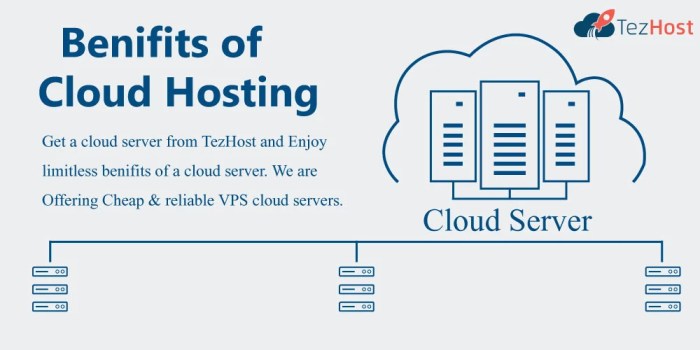
Cloud hosting isn’t just about storing your CRM data; it’s about adapting to your business’s ever-changing needs. Think of it as a super-flexible container that grows or shrinks as your CRM demands fluctuate. This adaptability is crucial for businesses of all sizes, ensuring they can handle peak seasons, new product launches, or even sudden spikes in customer activity without hiccups.
This agility is a key differentiator in today’s dynamic market.Cloud hosting excels in providing this flexibility by decoupling your CRM data from physical hardware. This allows for a dynamic scaling of resources, a critical advantage in the ever-shifting landscape of business operations. Instead of being tied to a fixed amount of storage space, your CRM data lives in a virtual environment that can be adjusted on demand.
Cloud Hosting Scalability for CRM Data Storage
Cloud hosting provides unparalleled scalability for CRM data storage. This means you can easily increase or decrease storage capacity as your business needs evolve. Imagine launching a new product line; your CRM data volume will likely increase. Cloud hosting allows you to seamlessly scale up your storage without worrying about hardware limitations. Conversely, if your business slows down, you can scale down to save on costs without losing access to your data.
Examples of Scaling CRM Data Storage
Businesses frequently experience fluctuating data volumes. A retail company might see a surge in customer data during holiday shopping seasons. Using cloud hosting, they can easily increase storage capacity during these peaks, ensuring no disruption to customer service or data processing. Conversely, during slow periods, they can reduce their storage allocation to optimize costs. Similarly, a startup experiencing rapid growth can effortlessly scale their storage to accommodate the expanding CRM database, without investing heavily in new infrastructure.
Flexibility in Storage Capacity and Resource Allocation
Cloud hosting offers unmatched flexibility in storage capacity and resource allocation for CRM data. You don’t need to pre-commit to specific amounts of storage. Instead, you pay only for what you use. This pay-as-you-go model is especially beneficial for businesses with unpredictable data growth patterns. Furthermore, resource allocation (like processing power) is also flexible.
If your CRM system needs more processing power during peak periods, cloud hosting can easily provide it, ensuring smooth operation without compromising data integrity.
Easy Upgrades and Maintenance Without Impacting Data Access
Cloud providers handle the upgrades and maintenance of the underlying infrastructure. This means you can upgrade your CRM software or add new features without any disruption to your CRM data access. Cloud hosting providers take care of the technical aspects, allowing you to focus on your core business operations. This proactive approach ensures minimal downtime and maintains seamless data access, a crucial aspect for businesses relying on CRM data for daily operations.
Comparison of Cloud Hosting Service Levels and Scalability
| Service Level | Scalability Features | Description |
|---|---|---|
| Basic | Limited scaling options | Suitable for small businesses with predictable data growth. Often a fixed storage quota and limited resource allocation. |
| Standard | Flexible scaling options | Provides more scalability options, allowing for increased storage and resource allocation as needed. |
| Premium | Highly scalable and customizable | Ideal for large businesses or those with highly variable data needs. Offers advanced scaling options, including dedicated resources and customized configurations. |
Cost-Effectiveness of Cloud Hosting for CRM Data
Cloud hosting offers a compelling alternative to traditional on-premises CRM data storage, dramatically altering the cost equation. Gone are the days of hefty upfront investments in hardware, software, and infrastructure. Instead, cloud solutions provide a flexible, pay-as-you-go model that aligns perfectly with modern business needs, especially for CRM data that can fluctuate in size and requirements.Cloud hosting’s cost-effectiveness hinges on several key factors, primarily its ability to reduce operational expenses and provide a scalable platform for your CRM data.
Cloud hosting offers a ton of benefits for securing and storing your CRM data. Understanding the key features, like scalability and automatic backups, is crucial. Check out Key Features of Cloud Hosting for CRM Solutions to dive deeper into those specifics. Ultimately, these features translate to peace of mind knowing your data is safe and accessible, boosting your CRM’s overall performance and efficiency.
This allows businesses to focus on growth and customer engagement rather than wrestling with IT infrastructure.
Reduced Capital Expenditures
Traditional on-premises CRM systems demand significant upfront investment in servers, storage devices, and other hardware. This contrasts sharply with cloud hosting, which eliminates the need for such upfront capital expenditure. Businesses can avoid the substantial costs associated with purchasing and maintaining this equipment, significantly reducing their initial investment. This allows businesses to allocate capital to other core functions, fostering growth and innovation.
Furthermore, the ongoing maintenance and upgrade costs associated with on-premises infrastructure are significantly minimized.
Lower Operational Expenses
Cloud hosting significantly reduces operational expenses by outsourcing maintenance, upgrades, and security updates to the provider. This eliminates the need for dedicated IT staff to manage the servers and ensures that the system is always running smoothly, with security patches applied as needed. This frees up internal IT resources to focus on strategic initiatives rather than routine tasks, boosting productivity and streamlining workflows.
For example, a company using cloud hosting for CRM data can avoid the costs of hiring a dedicated IT specialist to manage server maintenance.
Comparative Cost Structure of Cloud Providers
Different cloud hosting providers offer varying pricing models and service packages. Factors like storage capacity, data transfer rates, and support levels can significantly impact the overall cost. It’s crucial to evaluate these factors carefully when selecting a provider. Careful analysis and comparisons are essential to ensure the chosen provider aligns with your specific CRM data needs and budget.
For instance, some providers may offer more cost-effective solutions for large datasets while others might specialize in rapid scalability.
Pay-as-you-Go Pricing Model
The pay-as-you-go pricing model in cloud hosting is particularly beneficial for CRM data storage. This model allows businesses to only pay for the resources they consume, providing significant cost savings compared to traditional licensing models. Businesses can scale their resources up or down depending on their specific needs, avoiding overspending or unnecessary costs. For instance, if your CRM data volume increases during peak seasons, you can easily scale up your cloud storage without committing to long-term contracts or substantial upfront payments.
This model is incredibly flexible, responding to dynamic data requirements.
Estimated Cost Savings Table
Note: Estimated savings vary based on specific data volumes, usage patterns, and provider pricing.
Cloud hosting offers a ton of benefits for securing and storing your CRM data. Understanding the key features, like scalability and automatic backups, is crucial. Check out Key Features of Cloud Hosting for CRM Solutions to dive deeper into those specifics. Ultimately, these features translate to peace of mind knowing your data is safe and accessible, boosting your CRM’s overall performance and efficiency.
| CRM Data Storage Needs | Estimated Monthly Savings (On-Premises vs. Cloud) |
|---|---|
| Small Business (100GB) | $100-$300 |
| Mid-Sized Business (1TB) | $300-$1000 |
| Large Enterprise (10TB+) | $1000+ |
Data Backup and Disaster Recovery in Cloud

Cloud hosting isn’t just about storing your CRM data; it’s about protecting it. A crucial aspect of cloud CRM solutions is the robust backup and disaster recovery (DR) mechanisms offered. These features are paramount for preventing data loss and ensuring business continuity in the face of unforeseen events. Knowing how your data is backed up and recovered in the cloud is essential for any business relying on CRM systems.Cloud providers employ sophisticated techniques to ensure your CRM data is safe.
These methods often include automated backups, redundancy, and geographically dispersed data centers. This means your data is not only replicated across multiple locations, but also backed up regularly, providing multiple layers of protection against data loss. This approach not only minimizes the risk of data loss but also significantly reduces the downtime associated with potential disasters.
Backup and Disaster Recovery Mechanisms
Cloud hosting providers offer a variety of backup and recovery mechanisms tailored to different needs and budgets. These mechanisms often include automated daily, weekly, or monthly backups of your CRM data, with options to restore to previous points in time. Furthermore, advanced features like incremental backups, which only back up changed data, reduce the time and storage space required for regular backups.
This is a significant advantage over traditional on-premises backups, which can be slow and resource-intensive.
Importance of Regular Data Backups and Recovery Procedures
Regular data backups and recovery procedures are critical for CRM data integrity and business continuity. Without them, a data breach, system failure, or natural disaster could lead to irreparable loss of valuable customer information, sales data, and operational insights. This data loss can lead to significant financial and reputational damage. Implementing a robust backup and recovery plan minimizes the risk of such incidents and facilitates a swift and seamless return to operation.
Data Recovery Scenarios and Cloud Mitigation
Data recovery scenarios can range from simple data corruption to complete system failures or even natural disasters. Cloud hosting mitigates these risks by replicating your data across multiple geographically diverse data centers. If one data center experiences a problem, your data remains accessible from other locations. This redundancy ensures minimal downtime and facilitates quick recovery, as demonstrated by numerous case studies of companies successfully recovering from significant data loss events.
For example, a hurricane damaging a physical server containing CRM data can be mitigated by the cloud, where the data is replicated in a different location.
Types of Data Backup Strategies in Cloud Environments
Cloud environments offer various data backup strategies. These include full backups, which copy all data; incremental backups, which only back up changed data; and differential backups, which back up data changed since the last full backup. Choosing the appropriate strategy depends on the frequency of data changes and the required recovery point objective (RPO). Each strategy has its own implications for speed, storage space, and recovery time.
For example, full backups are ideal for frequent data changes, while incremental backups are best for situations with less frequent changes.
Comparison of Backup and Recovery Options Across Cloud Platforms
| Cloud Platform | Backup Frequency | Recovery Point Objective (RPO) | Recovery Time Objective (RTO) | Data Encryption ||—|—|—|—|—|| AWS | Daily, weekly, monthly | Customizable | Customizable | Yes || Azure | Daily, weekly, monthly | Customizable | Customizable | Yes || Google Cloud | Daily, weekly, monthly | Customizable | Customizable | Yes || Others | Variable | Variable | Variable | Variable |This table provides a basic comparison of backup and recovery options across some major cloud hosting platforms.
Note that specific features and pricing vary considerably between providers and specific plans. Always review the details of each provider’s offering to ensure it meets your specific needs.
Integration with CRM Systems: Cloud Hosting Benefits For CRM Data Storage And Security
Integrating cloud hosting with your CRM isn’t just about moving data; it’s about streamlining your entire workflow. A seamless integration unlocks powerful features, like automated data synchronization and real-time updates across your systems, boosting efficiency and productivity. This direct connection empowers your sales, marketing, and customer service teams to access critical information quickly and make data-driven decisions. Choosing the right cloud hosting provider that works well with your CRM platform is crucial for a smooth transition.
Integration Process Overview
The integration process typically involves APIs (Application Programming Interfaces) provided by both the cloud hosting provider and the CRM system. These APIs act as translators, allowing the two systems to communicate and exchange data. Often, the cloud hosting provider offers pre-built integrations or connectors for popular CRM platforms. These connectors streamline the data transfer process, reducing the need for manual intervention and ensuring data integrity.
Careful planning and configuration of these APIs are essential to ensure smooth data flow and prevent errors.
Compatibility of Cloud Hosting Providers with CRM Platforms
Compatibility between cloud hosting providers and various CRM platforms varies. Some providers offer dedicated integrations with specific CRMs, while others might rely on third-party integrations or custom development. The key is to thoroughly research the compatibility of a cloud hosting provider with your specific CRM. Checking documentation and user reviews can offer insights into the success rates and reported challenges of other users.
Examples of Successful Integrations
Several businesses have successfully integrated their CRM systems with cloud hosting platforms. For example, companies using Salesforce, a popular CRM platform, have benefited from integrating with AWS (Amazon Web Services) cloud hosting solutions, leveraging AWS’s scalability and security features to handle growing data volumes while maintaining Salesforce’s functionality. Similar successful integrations exist with Microsoft Dynamics 365 and other cloud-based CRM systems, demonstrating the feasibility and benefits of these integrations.
Migrating CRM Data to Cloud Hosting
Migrating CRM data to a cloud hosting environment is a critical process requiring careful planning. A phased approach, where data is migrated incrementally, is often the most effective method. This minimizes downtime and allows for thorough testing and validation of the data during the migration. Employing data validation tools and processes is crucial to ensure the accuracy and integrity of the migrated data.
Data migration specialists or consultants can provide expertise to navigate the process efficiently and effectively.
CRM System and Cloud Hosting Provider Compatibility Table
This table provides a general overview of compatibility, but specific details can vary by provider and CRM version. Always verify with the respective providers for the latest information.
| CRM System | Common Cloud Hosting Providers | Integration Notes |
|---|---|---|
| Salesforce | AWS, Google Cloud Platform, Azure | Generally strong integration, often pre-built connectors available. |
| Microsoft Dynamics 365 | AWS, Google Cloud Platform, Azure | Good integration, with varying degrees of ease based on the specific Dynamics 365 implementation. |
| Zoho CRM | AWS, Google Cloud Platform | Strong integrations with cloud hosting providers, allowing for efficient data transfer. |
| HubSpot CRM | AWS, Google Cloud Platform, Azure | Strong integrations are usually available; however, verify specific features with the providers. |
Compliance and Regulations for CRM Data
CRM data is gold, but it’s also highly regulated. Different countries and industries have specific rules about how you store and use this information. Knowing these regulations is critical for avoiding hefty fines and maintaining customer trust. Non-compliance can lead to serious repercussions, from reputational damage to legal battles. Understanding the compliance landscape is an essential part of choosing the right cloud hosting solution for your CRM.
Compliance Requirements for CRM Data Storage
Various jurisdictions have specific compliance requirements for CRM data storage. These requirements are often driven by regulations designed to protect personal data and ensure transparency. These regulations typically cover data security, data privacy, data processing, and data retention. Different jurisdictions have different levels of complexity and requirements for CRM data storage.
Examples of Compliance Regulations
Several key regulations affect CRM data in cloud hosting. The General Data Protection Regulation (GDPR) in Europe is a prominent example, mandating strict controls on data processing and transfer. Similarly, the California Consumer Privacy Act (CCPA) in the US places significant emphasis on consumer rights regarding their data. Other regulations, such as HIPAA in the healthcare industry, and various industry-specific standards, add further layers of complexity.
Understanding these regulations is paramount for maintaining data integrity and avoiding potential breaches.
Role of Cloud Hosting Providers in Ensuring Regulatory Compliance
Cloud hosting providers play a crucial role in helping businesses comply with these regulations. Reputable providers often offer services designed to support compliance, such as data encryption, access controls, and audit trails. These features help ensure that data is protected and that companies can demonstrate compliance to governing bodies. A crucial aspect is the provider’s commitment to security and adherence to industry best practices.
Importance of Data Privacy and Security in Cloud Hosting for CRM Data
Data privacy and security are paramount in cloud hosting for CRM data. Protecting sensitive customer information is not just good practice; it’s often a legal requirement. Robust security measures, including encryption at rest and in transit, are essential to prevent unauthorized access and breaches. The ability to demonstrate compliance with these measures is vital for building trust with customers and avoiding potential legal issues.
Breaches can cost businesses dearly in terms of fines, reputational damage, and customer churn.
Table Outlining Compliance Standards for CRM Data Storage
| Region | Key Compliance Standards | Specific Requirements |
|---|---|---|
| European Union (GDPR) | General Data Protection Regulation | Data minimization, purpose limitation, data security, data subject rights (access, rectification, erasure). |
| California (CCPA) | California Consumer Privacy Act | Consumer rights regarding their data, including access, deletion, and portability. |
| United States (HIPAA) | Health Insurance Portability and Accountability Act | Strict rules for protecting health information, including security protocols and data breaches notification. |
| Other Jurisdictions | Various industry-specific regulations and standards. | Specific requirements vary widely based on industry, sector, and local laws. Consult with legal counsel to understand the requirements for your specific industry and region. |
Final Thoughts
In conclusion, cloud hosting provides a robust and cost-effective solution for storing and securing your CRM data. Its inherent scalability, security features, and integration capabilities make it a powerful tool for businesses of all sizes. By carefully considering the various benefits and potential drawbacks, you can confidently leverage the cloud to enhance your CRM operations and achieve significant gains in efficiency and peace of mind.
Essential FAQs
What are the typical security measures employed by cloud hosting providers?
Cloud hosting providers employ robust security measures, including encryption at rest and in transit, access control mechanisms, and multi-factor authentication. They also often comply with industry-standard certifications like HIPAA and SOC 2.
How does cloud hosting improve scalability for CRM data?
Cloud hosting allows for easily scaling storage capacity and resources up or down based on your business needs. This flexibility ensures your CRM data storage can adapt to changing demands without significant upfront investment.
What are the cost implications of switching to cloud hosting for CRM data?
Cloud hosting often results in cost savings compared to on-premises solutions. The pay-as-you-go model, along with reduced operational costs, frequently translates to a lower overall expenditure. However, evaluate the costs of migration and ongoing cloud services.
How can I ensure my CRM data is backed up and recovered in case of a disaster?
Cloud hosting providers offer robust backup and disaster recovery mechanisms. Regular backups and recovery procedures are crucial, and the cloud often provides automated solutions for this. Review the specific disaster recovery plans offered by different providers.