How to Secure CRM Systems with Cloud Server Hosting is crucial for modern businesses. CRMs are the heart of many operations, storing sensitive customer data. But cloud hosting introduces new security concerns. This guide dives deep into securing your CRM data, from strong access controls to regular audits, ensuring your business is protected from potential breaches.
Cloud-based CRM systems offer scalability and accessibility but also demand meticulous security measures. Understanding these best practices is paramount to safeguarding your data and avoiding costly security incidents. This comprehensive guide will equip you with the knowledge and tools to create a robust security framework for your CRM, no matter its size or complexity.
Introduction to CRM Security
Customer Relationship Management (CRM) systems are the lifeblood of modern businesses. They manage interactions with customers, track sales leads, and automate marketing campaigns. A robust CRM is crucial for understanding customer needs, improving customer retention, and ultimately, driving revenue growth. However, these systems are often targets for malicious actors, especially when hosted in the cloud. Security vulnerabilities can lead to devastating consequences, ranging from data breaches to reputational damage.
Understanding these vulnerabilities and implementing strong security measures is paramount.CRM systems, whether on-premise or cloud-based, are susceptible to various security threats. These threats can exploit weaknesses in the system’s design, implementation, or configuration, particularly when access controls are inadequate or poorly enforced. A compromised CRM can expose sensitive customer data, financial information, and proprietary business strategies, leading to significant financial and reputational losses.
The stakes are high, and securing CRM data is no longer a luxury but a necessity.
Common CRM Security Vulnerabilities
CRM systems face numerous security threats, particularly when hosted in the cloud. These vulnerabilities stem from various sources, including insecure APIs, inadequate access controls, and weak passwords. Attackers can exploit these vulnerabilities to gain unauthorized access to sensitive customer data, leading to breaches and financial losses. For example, a poorly secured API might allow unauthorized access to customer records, potentially exposing personal information to malicious actors.
Insufficient access controls can grant unauthorized users access to sensitive data, even within a company.
Impact of Cloud Hosting on CRM Security
Cloud hosting offers scalability and cost-effectiveness, but it also introduces new security challenges. Shared responsibility models between the cloud provider and the customer can be complex. Users must understand their responsibilities and implement appropriate security measures. For example, a cloud provider might be responsible for securing the underlying infrastructure, but the user is responsible for securing their data within the cloud environment.
Criticality of Securing CRM Data
Protecting CRM data is critical for maintaining customer trust and avoiding severe financial and reputational damage. A data breach can lead to legal liabilities, financial penalties, and a loss of customer confidence. Companies must prioritize security measures to prevent unauthorized access and misuse of sensitive information. For instance, a successful CRM security implementation will include strong authentication protocols, regular security audits, and incident response plans.
Examples of Successful and Failed CRM Security Implementations
Numerous examples illustrate the importance of CRM security. Some companies have implemented robust security measures that effectively protected their data and maintained customer trust. Conversely, others have experienced significant breaches, leading to substantial financial losses and damage to their reputation. Understanding these successes and failures provides valuable lessons in CRM security.
Types of CRM Systems and Security Concerns
| Type of CRM System | Typical Security Concerns |
|---|---|
| On-premise CRM | Potential for internal threats, physical security risks, and difficulties in maintaining updates. |
| Cloud-based CRM | Shared responsibility model, potential for cloud provider vulnerabilities, and risks associated with data breaches. |
| Mobile CRM | Security risks related to mobile device loss, compromised devices, and vulnerabilities in mobile apps. |
| Social CRM | Security concerns associated with social media platforms, potential for data breaches, and managing access to social media accounts. |
Understanding the specific security concerns of each CRM system type is vital for implementing effective security measures. The table above highlights these concerns and emphasizes the importance of tailoring security strategies to the unique characteristics of each system.
Cloud Server Security Best Practices
So, you’ve got your CRM in the cloud. Fantastic! But cloud security isn’t just about
- where* your data lives; it’s about
- how* it’s protected. This means going beyond basic passwords and embracing a proactive approach to safeguarding your valuable customer data. Think of it like building a fortress – you need strong walls, sophisticated locks, and constant vigilance.
Cloud security is a multifaceted beast, and neglecting any aspect can create vulnerabilities. Failing to implement robust access controls, for instance, is like leaving the front gate unlocked. Similarly, weak encryption methods are like using flimsy chains on your valuables. Let’s dive into the concrete strategies that can transform your cloud CRM from a potential target into a secure haven.
Strong Access Controls
Effective access controls are the cornerstone of any robust security posture. This means meticulously defining who has access to what data and what actions they can perform. Granting permissions based on the principle of least privilege – only allowing users to access the information and functionalities they absolutely need – is crucial. This drastically reduces the potential damage if a user’s account is compromised.
Think of it as limiting access to sensitive areas in a building based on job roles.
Multi-Factor Authentication (MFA)
Multi-factor authentication is a game-changer. Instead of relying solely on passwords, MFA adds an extra layer of security. This might involve a one-time code sent to your phone, a biometric scan, or a hardware token. Imagine a combination lock – a password is one key, but adding a keypad or a physical key makes it far more secure.
MFA significantly reduces the risk of unauthorized access, even if a password is compromised.
Data Encryption
Encryption is paramount. Encrypting data both in transit (as it moves across the network) and at rest (when it’s stored in the cloud) safeguards it from prying eyes. This is like having a locked safe for your documents. Encryption scrambles the data, making it incomprehensible to anyone without the decryption key. Tools like Advanced Encryption Standard (AES) are essential for this.
Use robust encryption standards for sensitive data.
Regular Security Audits and Penetration Testing, How to Secure CRM Systems with Cloud Server Hosting
Regular security audits and penetration testing are vital for proactive vulnerability management. These procedures are like having a security expert inspect your fortress for weaknesses. Audits identify misconfigurations and potential threats, while penetration testing simulates real-world attacks to assess the system’s resilience. This proactive approach can prevent significant breaches and demonstrate compliance with industry regulations. Think of it as a preemptive measure against potential attacks.
Cloud Security Provider Comparison
A comparison of security features offered by various cloud security providers can help you choose the best fit for your CRM.
| Provider | Security Features | Pricing |
|---|---|---|
| AWS | IAM, encryption, access control lists, intrusion detection | Variable |
| Azure | Role-based access control, multi-factor authentication, encryption at rest and in transit | Variable |
| Google Cloud Platform | IAM, encryption, virtual private clouds, security information and event management | Variable |
| Other providers (e.g., DigitalOcean, Linode) | Depending on the specific plan, similar to the above. | Variable |
Note: Pricing and features vary between providers and specific plans. Always review the documentation of the provider you are considering. Don’t just look at the headline features; delve into the specifics. A provider’s reputation and track record are also crucial factors.
Data Encryption and Protection
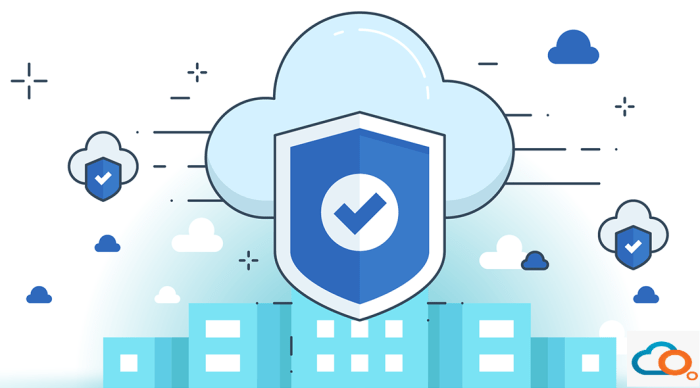
Protecting your CRM data in the cloud is paramount. It’s not just about keeping hackers out; it’s about safeguarding your customers’ sensitive information and maintaining your company’s reputation. Robust encryption and a well-defined disaster recovery plan are crucial components of a comprehensive security strategy. Failing to prioritize these elements can lead to significant financial losses, legal repercussions, and reputational damage.Data encryption transforms readable information into an unreadable format, making it virtually impossible for unauthorized individuals to access or understand.
This is a cornerstone of cloud security, particularly when dealing with sensitive customer data like credit card numbers or personal details. Proper key management and regular backups are critical to maintaining data integrity and business continuity. Think of it as a digital lockbox, ensuring only authorized personnel have the key.
Encryption Methods for CRM Data
Various encryption methods are applicable to CRM data on cloud servers. Symmetric encryption uses the same key for encryption and decryption, which is faster but requires secure key distribution. Asymmetric encryption, using separate keys for encryption and decryption, provides better security but can be slower. Hashing algorithms create a unique fingerprint of data, which is crucial for data integrity checks.
Choosing the right method depends on the specific needs and sensitivity of the data.
Encryption Keys and Management
Effective key management is essential for maintaining data security. Encryption keys are the digital “locks” that protect your data. Proper key management involves creating, storing, and distributing these keys in a secure manner. Employing a dedicated key management system (KMS) is crucial for managing the lifecycle of encryption keys, ensuring their security and compliance with regulations. This system will also help track who has access to the keys and when.
Access controls should be strictly enforced, limiting access to only authorized personnel.
Data Backups and Disaster Recovery
Data backups and disaster recovery plans are essential for mitigating the risks associated with data loss. Regular backups of your CRM data are critical in case of hardware failures, cyberattacks, or human error. Implementing a robust disaster recovery plan ensures business continuity, enabling swift restoration of services and data in the event of a major incident. Cloud-based backup solutions offer scalability and automated backups, significantly reducing the risk of data loss.
Test your disaster recovery plan regularly to ensure its effectiveness.
Handling Sensitive Customer Data
Handling sensitive customer data requires meticulous attention to detail. Implement strict access controls to limit who can access sensitive data. Comply with relevant data protection regulations, such as GDPR, CCPA, or HIPAA, to ensure compliance with data privacy laws. Regularly review and update your data handling policies to address emerging threats and vulnerabilities. Train employees on data security best practices to prevent accidental data breaches.
Thorough data anonymization techniques are crucial for minimizing the risk of identifying individuals.
Comparison of Encryption Algorithms
| Algorithm | Strengths | Weaknesses |
|---|---|---|
| AES (Advanced Encryption Standard) | High speed, strong security, widely adopted | Requires secure key management |
| RSA (Rivest-Shamir-Adleman) | Excellent for key exchange, widely used in digital signatures | Slower than symmetric algorithms, vulnerable to certain attacks if key length is not appropriate |
| Triple DES (3DES) | Backward compatibility with older systems | Relatively slower than AES |
| SHA-256 (Secure Hash Algorithm) | Strong hashing, widely used for data integrity checks | Not designed for encryption, used for integrity only |
Network Security Measures
Protecting your CRM system in the cloud is a multi-layered process, and network security is absolutely critical. A strong network acts as the fortress wall, keeping intruders out and your valuable customer data safe. Without robust network security measures, your CRM system becomes a vulnerable target, potentially exposing sensitive information and disrupting your business operations. Think of it like this: if your front door is unlocked, anyone can walk right in.
A secure network is your heavily reinforced, monitored entryway.
Firewalls and Intrusion Detection Systems
Firewalls act as gatekeepers, controlling network traffic based on predefined rules. They filter incoming and outgoing data, blocking unauthorized access attempts and malicious traffic. Intrusion detection systems (IDS) take this a step further by actively monitoring network activity for suspicious patterns and anomalies. These systems can detect and alert you to potential threats in real-time, allowing you to take swift action to mitigate damage.
Implementing both a firewall and an IDS is crucial for a layered security approach. A good analogy is a security guard at the front desk (firewall) and a surveillance system (IDS) that monitors the building’s activity.
Securing your CRM with cloud server hosting is crucial. It’s all about protecting your data, and that means choosing a provider with robust security measures. Think about how important your CRM data is—it’s the lifeblood of your business. For instance, Ensuring CRM Data Integrity with Secure Server Hosting here highlights the importance of a secure infrastructure.
Ultimately, a strong cloud hosting solution is key to a safe and efficient CRM system.
Virtual Private Networks (VPNs)
VPNs create secure, encrypted connections over public networks, allowing remote users to access your CRM system securely. By encrypting data transmitted between remote users and your cloud server, VPNs significantly reduce the risk of data breaches. They are essential for employees working remotely or accessing your CRM from unsecured Wi-Fi networks. Imagine a secret tunnel through the public internet; VPNs provide that secure tunnel for your data.
Secure Network Settings for Cloud Servers
Properly configuring your cloud server’s network settings is paramount. This includes using strong passwords, enabling two-factor authentication, and restricting access to only authorized personnel. Regularly updating your server software and security patches is also critical. Think of it as locking your doors and windows and regularly checking for any weaknesses.
Common Network Security Threats and Mitigation
Common threats include denial-of-service (DoS) attacks, malware infections, and phishing attempts. DoS attacks flood the network with traffic, overwhelming the server and preventing legitimate users from accessing it. Malware can be installed on your server, stealing data or disrupting operations. Phishing attacks attempt to trick users into revealing sensitive information. Mitigating these threats requires implementing robust security measures, such as firewalls, intrusion detection systems, and user awareness training.
For instance, a strong firewall can stop a DoS attack from reaching your CRM. Regular software updates are your first line of defense against malware.
Network Security Protocols and Their Applications
| Protocol | Description | Application |
|---|---|---|
| Secure Sockets Layer (SSL)/Transport Layer Security (TLS) | Protocols for secure communication over a network. | Securing web traffic, ensuring safe data transmission. |
| Internet Protocol Security (IPsec) | A suite of protocols for securing IP communications. | Securing VPN connections, protecting sensitive data. |
| Secure Shell (SSH) | A network protocol for secure remote login. | Remote access to servers, managing systems. |
| Domain Name System Security Extensions (DNSSEC) | Adds security to DNS to prevent DNS spoofing. | Protecting against DNS attacks and ensuring correct domain resolution. |
This table highlights the importance of various protocols in securing your network infrastructure. Each protocol plays a crucial role in maintaining the integrity and confidentiality of your CRM system.
User Authentication and Authorization
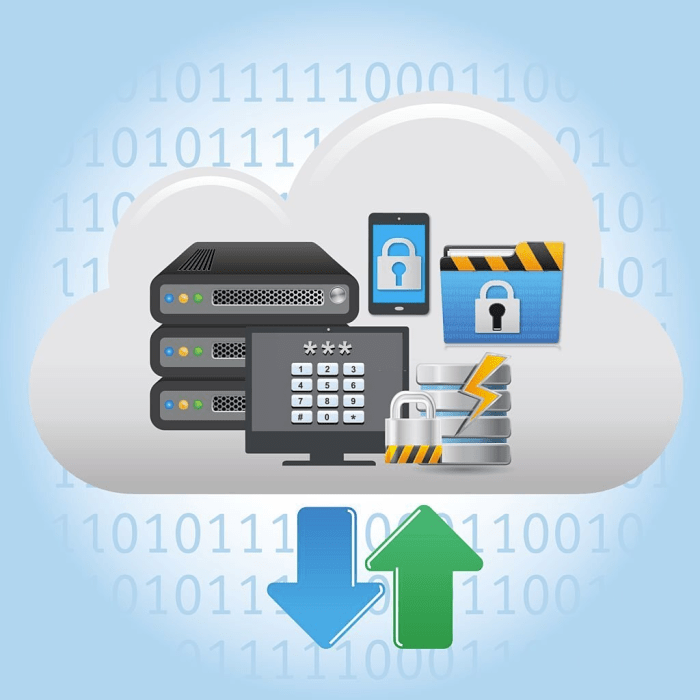
Locking down your CRM isn’t just about fancy tech; it’s about understanding who has access to what. Proper user authentication and authorization are the gatekeepers of your sensitive data, preventing unauthorized access and potential breaches. Think of it like a heavily guarded fortress—you need strong walls and precise security protocols to keep the bad guys out.
Authentication Methods
Strong passwords and robust authentication methods are crucial to protect your CRM data. Password complexity, length, and regular updates are critical. Multi-factor authentication (MFA) adds another layer of security, requiring users to verify their identity through multiple channels (e.g., a code sent to their phone). Biometrics, like fingerprint or facial recognition, offer an extra layer of security and can make access more convenient for authorized users.
User Roles and Permissions
Defining clear user roles and permissions is essential for controlling access to CRM data. Each user should have only the access they need to perform their job duties. This concept, known as the principle of least privilege, is vital for minimizing the impact of a security breach. A well-defined role structure limits the damage potential if an account is compromised.
User Account Management and Password Policies
Regularly reviewing and updating user accounts, including account termination when employees leave, is critical. Robust password policies, including complexity requirements and regular password changes, are essential to protect sensitive information. Implement a strong password policy that enforces complex passwords, minimum length, and regular updates.
Least Privilege Access
The principle of least privilege is a cornerstone of secure user access. This means that each user should only have the minimum access necessary to perform their job tasks. Granting broad access to users can potentially compromise sensitive data. Restricting access to specific data fields, functionalities, and reports can significantly reduce the risk of unauthorized data access.
Example User Roles and Permissions
| User Role | Permissions |
|---|---|
| Sales Representative | Can view customer information, create and manage sales opportunities, access sales reports, but cannot modify or delete customer data without approval. |
| Marketing Manager | Can create and manage marketing campaigns, access customer data for targeted marketing efforts, view sales reports, but cannot access sensitive financial data. |
| Customer Support Agent | Can view customer support tickets, access customer contact information, but cannot modify financial data or access other departments’ data. |
| Administrator | Full access to all CRM data, functionalities, and reports. Can manage user accounts, roles, and permissions. Requires separate, strong authentication and regular security audits. |
Regular Security Updates and Maintenance
Keeping your CRM system and cloud server secure isn’t a one-time deal. It’s an ongoing process, like brushing your teeth – you need to do it regularly to stay healthy. Regular security updates and maintenance are critical for preventing vulnerabilities and ensuring your data remains safe. Ignoring these updates leaves your system open to attack, which can cost you time, money, and your reputation.Staying ahead of cybercriminals requires a proactive approach.
Security threats evolve constantly, and new vulnerabilities are discovered all the time. Regular updates patch these holes, fortifying your defenses and minimizing your risk. This proactive approach ensures your CRM and cloud server infrastructure is as strong as possible.
Significance of Software and Application Updates
Regularly updating software and applications is vital for maintaining a secure system. Outdated software often contains known vulnerabilities that hackers can exploit. These updates typically include critical security patches, addressing these vulnerabilities and enhancing the overall security posture. This proactive approach minimizes the potential for cyberattacks.
Importance of Patch Management
Patch management is crucial for CRM systems and cloud servers. Patches are small pieces of code that fix security flaws and improve performance. Regularly applying patches ensures your system is up-to-date with the latest security measures. Failure to apply patches leaves your system susceptible to known exploits, potentially leading to data breaches or system compromise.
Structured Approach for Security Checks and Audits
Implementing a structured approach to security checks and audits is essential. This process involves scheduled scans, vulnerability assessments, and penetration testing. Regular audits help identify weaknesses in your system’s defenses, allowing you to address them before they are exploited. These measures include reviewing configurations, user permissions, and access controls. This structured approach is vital to maintaining a strong security posture.
Monitoring Security Logs for Potential Threats
Monitoring security logs is critical for detecting and responding to potential threats. Security logs record events that occur on your system, including login attempts, file access, and system errors. Analyzing these logs can reveal suspicious activity, allowing you to take swift action. A proactive approach to log analysis helps identify potential breaches before they escalate.
Monthly CRM Security Maintenance Checklist
Regular maintenance is key to avoiding security breaches. A structured monthly checklist ensures consistent security checks. This structured approach allows for regular assessment of critical components.
| Task | Frequency | Description |
|---|---|---|
| Software Updates (CRM & Cloud Server) | Monthly | Apply all available security patches to the CRM and cloud server software. |
| Security Scan | Monthly | Run a vulnerability scan to identify potential weaknesses. |
| Log Review | Weekly | Analyze security logs for suspicious activity. |
| User Access Review | Quarterly | Review and update user access permissions as needed. |
| Firewall Configuration Check | Monthly | Verify firewall rules are up-to-date and appropriate. |
| Data Backup Verification | Weekly | Verify the integrity of recent backups. |
| Penetration Testing (Optional) | Quarterly | Employ external security experts to simulate attacks. |
Incident Response Planning
Having a solid incident response plan for your CRM system is like having a fire extinguisher for your digital fortress. A well-defined plan minimizes damage, ensures quick recovery, and protects your reputation when a security breach occurs. It’s not just about reacting; it’s about proactively preparing for the worst and mitigating the impact. Think of it as your digital insurance policy.A robust incident response plan is crucial for any organization that relies on a CRM system.
It provides a structured approach to handling security incidents, minimizing downtime, and protecting sensitive data. It Artikels roles, responsibilities, and procedures for various types of incidents, ensuring a coordinated and effective response. This translates into faster recovery, reduced financial losses, and a stronger brand reputation.
Steps for Responding to Security Breaches
A well-structured incident response plan Artikels the steps to take when a security incident occurs. This includes identifying the incident, containing the damage, analyzing the cause, recovering systems, and preventing future occurrences. These steps are essential for mitigating the impact of a breach and ensuring business continuity.
- Incident Identification and Reporting: Immediately recognize and report any unusual activity or suspected security breach. This includes monitoring logs, alerts, and user reports. Clear communication channels and reporting procedures are essential. A dedicated security team or individual should be responsible for receiving and escalating reports.
- Containment: Isolate the affected systems or data to prevent further spread of the incident. This might involve shutting down systems, disabling accounts, or blocking access to specific data. Thorough documentation of containment actions is critical.
- Analysis: Determine the cause, scope, and impact of the incident. This phase involves investigating the nature of the attack, identifying vulnerabilities, and determining the extent of the data compromise. Detailed forensic analysis of logs and affected systems is key.
- Eradication: Remediate the vulnerability that allowed the incident to occur. This may involve patching software, strengthening security protocols, or implementing new security measures. Careful planning and execution are crucial.
- Recovery: Restore systems and data to their previous state. This phase focuses on bringing the affected systems back online and restoring lost data. Recovery strategies should be tested and regularly updated to ensure efficiency.
- Post-Incident Activity: Evaluate the effectiveness of the incident response plan and make necessary improvements. Conduct a post-mortem analysis to identify lessons learned and implement preventive measures to reduce the likelihood of future incidents. This phase is essential for continuous improvement.
Importance of a Well-Defined Incident Response Plan
A well-defined incident response plan is not just a document; it’s a living strategy that protects your organization from security incidents. It minimizes downtime, mitigates financial losses, and safeguards your reputation. It ensures a coordinated and effective response to threats, enabling quick recovery and preventing future incidents.
A well-structured incident response plan ensures a consistent, controlled, and efficient response to security incidents.
Sample Incident Response Plan for a CRM System
This sample Artikels key elements of an incident response plan for a CRM system:
- Team Roles and Responsibilities: Assign roles and responsibilities for each step in the incident response process. This includes identifying key personnel, their specific tasks, and communication channels.
- Communication Plan: Establish clear communication channels and procedures for reporting, updating, and informing stakeholders during an incident. This includes internal and external communication protocols.
- Data Backup and Recovery Procedures: Define procedures for backing up CRM data and restoring it in case of an incident. Regular backups are essential.
- Legal and Regulatory Compliance: Artikel the procedures for handling legal and regulatory requirements related to data breaches.
Communication Strategies During Security Incidents
Effective communication is crucial during security incidents. Transparent and timely communication with stakeholders, including customers, employees, and management, is vital. This helps maintain trust and minimizes the negative impact of the incident.
- Internal Communication: Establish clear channels for internal communication to keep employees informed and updated on the situation. This includes regular updates, dedicated communication channels, and designated spokespersons.
- External Communication: Develop a strategy for communicating with customers and other external stakeholders. Transparency and promptness are key. This includes notifying affected parties, providing updates, and addressing concerns.
Incident Response Steps and Responsibilities
The table below Artikels the different incident response steps and the corresponding responsibilities:
| Incident Response Step | Responsibility |
|---|---|
| Incident Identification and Reporting | Security Team/Officer |
| Containment | Security Team/IT Operations |
| Analysis | Security Team/Forensics Team |
| Eradication | Security Team/IT Operations |
| Recovery | IT Operations/Database Admin |
| Post-Incident Activity | Security Team/Management |
Compliance and Regulations: How To Secure CRM Systems With Cloud Server Hosting
CRM systems are the heart of many businesses today, holding sensitive customer data. Protecting that data is paramount, and compliance with regulations like GDPR and CCPA is no longer optional, but a necessity. Ignoring these regulations can lead to hefty fines, reputational damage, and even legal action. Understanding and implementing robust security measures is crucial for avoiding these pitfalls.Data privacy regulations, like GDPR and CCPA, are designed to protect user data.
They establish strict rules around how organizations collect, store, and use personal information. Failure to adhere to these regulations can have serious consequences. It’s not just about avoiding fines; it’s about building trust with your customers and ensuring their data is safe. Implementing a robust compliance strategy is vital for safeguarding your business and upholding your customers’ rights.
Securing your CRM on cloud servers is crucial for business continuity. Robust security measures are paramount, but sometimes, legal issues can arise. If you’re facing a tricky insurance claim, an insurance lawyer who guarantees fierce legal representation, like the ones at Insurance Lawyer Who Guarantees Fierce Legal Representation , can provide the support you need. This proactive approach can save you headaches and potentially significant financial losses, which ultimately helps you focus on keeping your CRM systems secure and running smoothly.
Importance of Adhering to Data Privacy Regulations
Data privacy regulations like GDPR and CCPA mandate specific requirements for handling personal data. These regulations often include provisions for data minimization, data security, and user rights (like access, rectification, and erasure). Failing to comply with these regulations can result in significant penalties. For instance, non-compliance with GDPR can lead to fines of up to 4% of global annual revenue.
These regulations are crucial for protecting user trust and ensuring legal compliance.
Ensuring Compliance with Industry Regulations
CRM systems often need to comply with industry-specific regulations, such as HIPAA for healthcare or PCI DSS for financial institutions. Compliance necessitates understanding the specific requirements of these regulations. A robust security policy should clearly Artikel these requirements and how the CRM system will meet them. This includes encryption protocols, access controls, and data retention policies.
Implications of Non-Compliance with Security Regulations
Non-compliance with security regulations can have severe consequences. Beyond potential fines, non-compliance can damage your brand reputation. Customers might lose trust in your organization, leading to decreased sales and customer churn. A breach of security, especially one stemming from regulatory non-compliance, can have significant legal repercussions. Legal action, hefty fines, and reputational damage are all possible outcomes.
Role of Security Policies and Procedures in Maintaining Compliance
Comprehensive security policies and procedures are essential for maintaining compliance. These policies should detail data handling practices, access controls, incident response plans, and audit trails. Regular security assessments and audits are crucial to ensure ongoing compliance. Regular reviews and updates to policies based on emerging threats and evolving regulations are vital. These policies should be easily accessible to all relevant personnel and should be regularly communicated to employees.
Compliance Requirements for Different CRM Systems
| CRM System Type | Key Compliance Requirements |
|---|---|
| Salesforce | GDPR, CCPA, HIPAA (depending on use case), industry-specific regulations |
| Microsoft Dynamics 365 | GDPR, CCPA, industry-specific regulations (e.g., financial services), data residency requirements |
| Zoho CRM | GDPR, CCPA, industry-specific regulations, data security protocols |
| HubSpot CRM | GDPR, CCPA, industry-specific regulations, security updates |
This table illustrates some common CRM systems and the potential compliance requirements they may face. The specific requirements depend on the nature of the business and the data handled. Consult with legal counsel to ensure accurate and comprehensive compliance with all relevant regulations.
Wrap-Up
In conclusion, securing your CRM on cloud servers requires a multi-faceted approach. By implementing the strategies Artikeld in this guide, from robust access controls to regular security updates, you can significantly mitigate risks and protect your valuable customer data. Remember, a proactive security posture is key to maintaining a healthy and thriving business in today’s digital landscape.
User Queries
What are the most common security vulnerabilities in cloud-hosted CRM systems?
Common vulnerabilities include weak passwords, lack of multi-factor authentication, inadequate data encryption, insufficient access controls, and neglecting regular security audits. These can lead to unauthorized access, data breaches, and financial losses.
How important is data encryption for CRM data stored in the cloud?
Data encryption is critical. It protects sensitive customer data both in transit and at rest. Strong encryption protocols prevent unauthorized access and ensure compliance with data privacy regulations.
What are the key steps in responding to a security breach in a CRM system?
A well-defined incident response plan is crucial. Key steps include containment, eradication, recovery, and post-incident review. Rapid and appropriate response can minimize damage and reputational harm.
What are the implications of non-compliance with security regulations for CRM systems?
Non-compliance can lead to hefty fines, legal action, reputational damage, and loss of customer trust. Staying compliant with relevant regulations is essential for long-term business success.